

Description
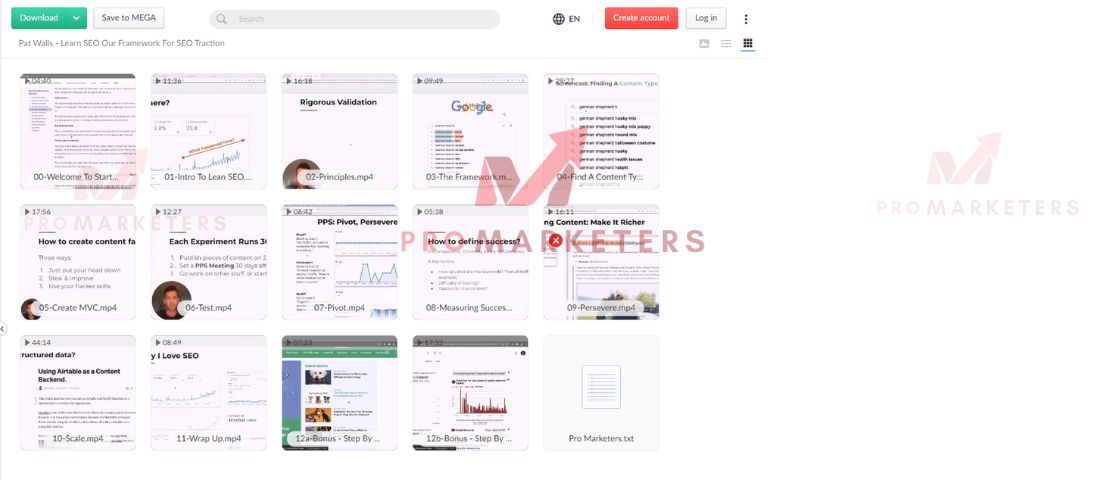
If you’re looking to cut through SEO noise and actually see results, Pat Walls’ Lean SEO framework might be the game-changer you need. Instead of chasing every trend, you’ll focus on what’s proven to work—research, rapid content creation, and ongoing experiments. This approach values quick wins and constant learning, but there’s more to it than just tactics. Want to know how these steps drive real growth and engagement?
Key Takeaways
- The Lean SEO framework uses a five-step process: Research, Create, Test, Decision, and Scale for achieving SEO traction.
- Minimum Viable Content (MVC) is produced quickly to test keyword and topic potential before scaling.
- Multiple SEO and content experiments are run simultaneously to accelerate learning and results.
- Data-driven A/B testing and automation optimize content performance and user engagement.
- Successful strategies are scaled up, supported by diversified revenue streams and active community involvement.
The Five-Step Lean SEO Framework Explained
While many SEO strategies can seem overwhelming, the Five-Step Lean SEO Framework breaks the process into clear, actionable stages: Research, Create, Test, Decision, and Scale. You’ll start with Research, where you uncover promising keywords and topics. Instead of spending weeks perfecting content, the Lean SEO framework encourages you to quickly produce Minimum Viable Content (MVC)—content created just good enough to test ranking potential. By focusing on actionable strategies, you can efficiently gauge what works without getting bogged down in complex algorithm theories.
Next, you’ll run multiple experiments at once, testing various topics to see which ones show early traction. This rapid approach lets you learn faster and adapt your strategy. When data shows something’s working, you move to Decision, doubling down on winners. Finally, you Scale what succeeds, maximizing your reach and results. Many have seen their traffic in 6 months multiply dramatically by following this focused, repeatable process.
Growth Levers That Drove Starter Story’s Success
Because Starter Story focused relentlessly on key growth levers, the site rapidly scaled to 1.6 million monthly visitors and saw a tenfold jump in traffic. You can see this success as the result of a sharp focus on SEO and content, anchored by their Lean SEO framework. By treating content creation as a series of small bets—testing business ideas, post formats, and keyword strategies—they found what resonated. For example, A/B testing email formats led to a newsletter open rate boost from 17% to 27%.
Starter Story’s systems and automation let you double down on what works, freeing up time for deeper content and further SEO experiments. Building in public, sharing results and failures, not only fostered a loyal community but also generated invaluable feedback. If you want to emulate their growth, study real case studies, master the Lean SEO course, and stay nimble by always iterating on your SEO strategy.
Revenue Streams and Business Model Insights
Diversification defines Starter Story’s approach to revenue, balancing premium memberships, advertising, and affiliate income to build a resilient business model. You’ll notice that about 38% of revenue comes from premium memberships, while a strong advertising strategy brings in 57%, and affiliate partnerships make up the remaining 5%. This blend guarantees no single stream dominates, supporting revenue growth and stability.
Here’s how these streams work together:
- Premium Memberships: By offering exclusive case studies and databases, Starter Story creates a sustainable paid subscription, delivering real value for entrepreneurs and business enthusiasts.
- Advertising Strategy: The platform targets a niche audience, making ads and sponsorships highly relevant. This keeps the community engaged while generating significant income.
- Community-Driven Approach: Sharing expertise and premium content builds loyalty, leading to ongoing revenue growth and deepening the relationship with subscribers.
Ultimately, this strategic mix fosters long-term sustainability and keeps Starter Story’s business model adaptable and robust.
Experimentation, Automation, and A/B Testing in Action
Although many entrepreneurs recognize the value of data-driven decisions, Pat Walls puts experimentation at the core of Starter Story’s Lean SEO framework. You’ll see that every improvement starts with testing—whether it’s tweaking content strategies or refining user journeys. For example, through A/B testing, Walls boosted email subscription rates from 1.95% to 2.53%, simply by experimenting with strategic content upgrades. That’s a clear win for data-backed content strategies.
Automation drives efficiency throughout Walls’ process. He uses tools like Mailbrew to automate daily monitoring of social mentions and website changes, freeing up time for higher-level tasks. Walls also built a custom CRM, Pigeon, to streamline email communications and project tracking. This level of automation helps you stay agile and organized, letting you focus more on high-impact experimentation.
Iterative testing, such as changing newsletter formats, led to open rates jumping from 17% to 27%. Testing, automation, and A/B testing aren’t just buzzwords—they drive real results.
Building in Public and Community Engagement
How do you turn a personal project into a magnet for loyal followers? The answer lies in building in public and prioritizing community engagement. When you share your progress, setbacks, and lessons transparently, you invite others into your journey. Pat Walls champions this approach—his open communication style didn’t just attract readers, it brought founders to share their stories, amplifying authentic engagement on Starter Story.
Here’s how you can leverage this:
- Document your journey: Regularly share your wins and struggles. It encourages others to join the conversation and builds trust.
- Create a feedback loop: Ask your audience for input and act on it. This two-way communication refines your project and shows you value your community.
- Foster shared stories: Highlight success and failure from your community. This collective storytelling strengthens relationships and drives collaboration.
Building in public transforms passive readers into active supporters.
Conclusion
It’s no coincidence you’ve landed here just as you’re looking to boost your SEO game. By following Pat Walls’ Lean SEO framework, you’ll uncover practical steps that turn curiosity into traction. Immerse yourself in research, test ideas quickly, and don’t be afraid to experiment—just like Starter Story did. Engage with your community, analyze the data, and watch your efforts pay off. Take the next step now—your own SEO success story is waiting to happen.


