
Description
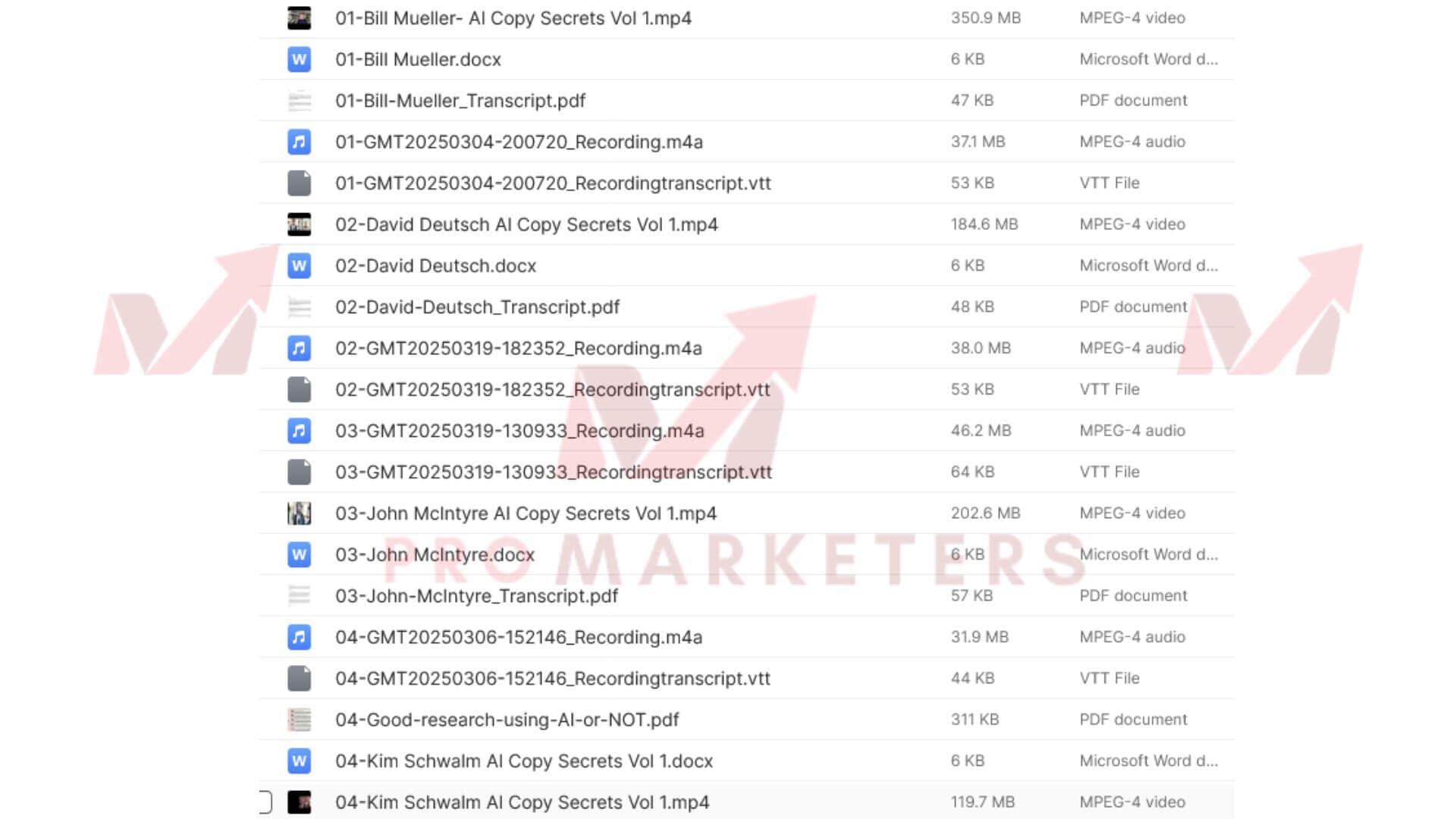
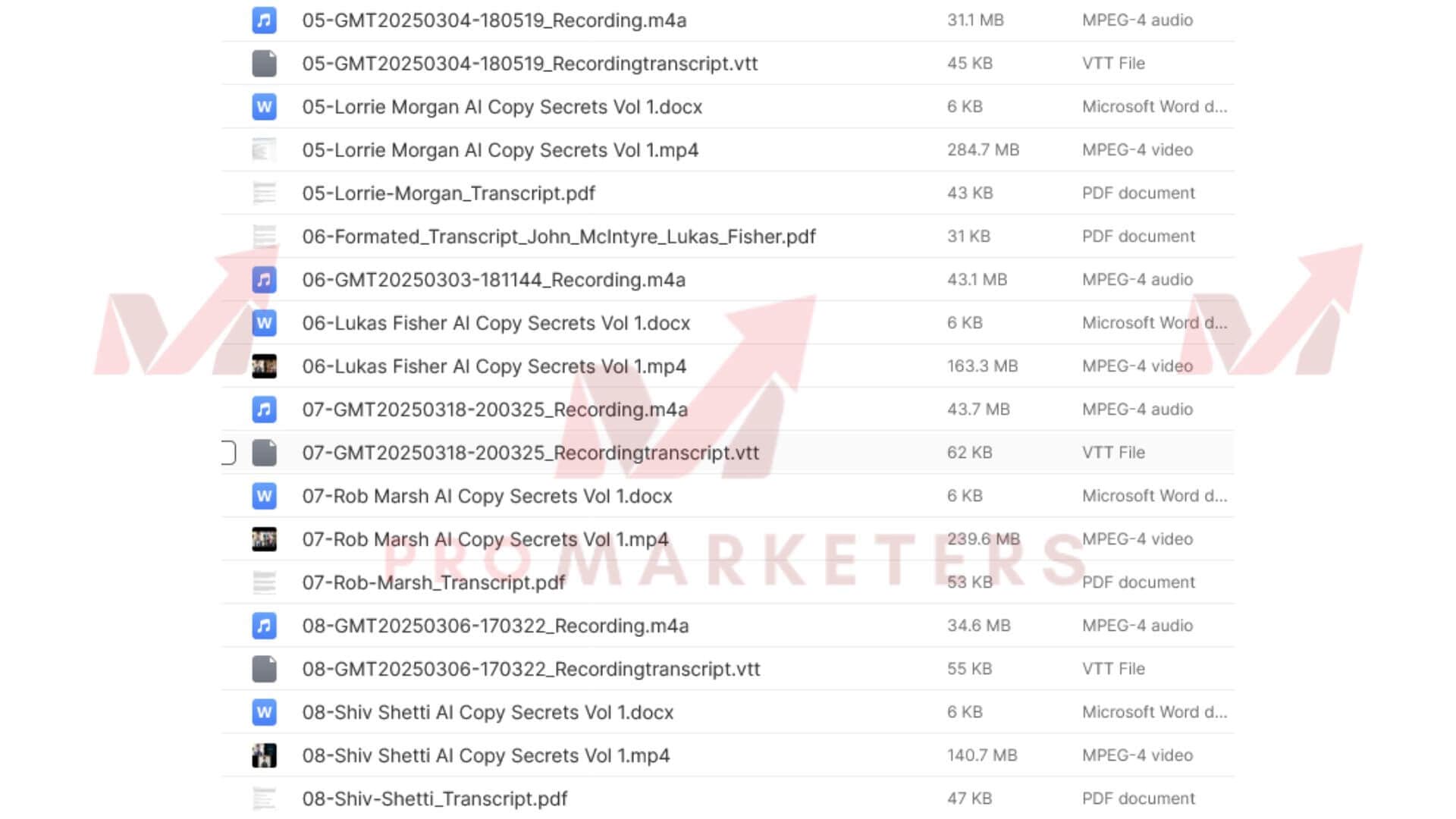
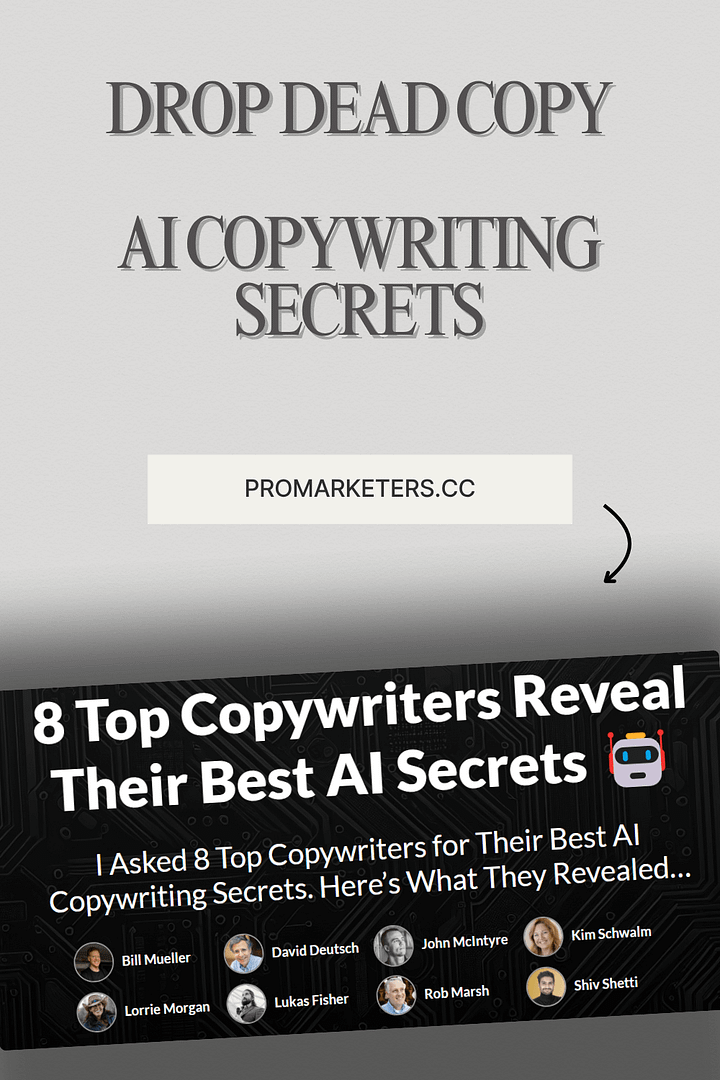
Drop Dead Copy is the undisputed guide to AI copywriting secrets. These principles and techniques equip copywriters with the skills to write clear, compelling, and functional content across website, paid search, display, and social media.
These AI tools make the process of writing faster. Not only that, they identify trends and recommend which words or phrases work best! Whether someone is in Los Angeles or anywhere else in the U.S., AI copywriting helps them stand out in a crowded digital landscape.
Users can easily tune the AI to reflect their brand voice, ensure they’re reaching the right people, and keep their message clear and on point. Understanding these AI copywriting secrets will better prepare your business or freelance career to save time and stay ahead of the curve with what actually works in digital marketing.
Follow along as we go into detail on the best tips and real-world applications for these AI tools.
What is “Drop Dead” Copy?
This is the kind of copy that gets your attention and compels you to take action immediately. In copywriting for sales and marketing, this type of writing is revolutionary, simply because it cuts to the chase and gets personal about what they’re interested in.
It’s a great combination of acute observation about what people want and need, matched with clever, down-to-earth prose that reads warm and true. This isn’t about creating hype or making over-the-top claims. Get to the core of what’s bothering your audience.
Figure out what gets them excited, and once you’ve gained that knowledge, use it to connect with them personally! For instance, an online course sales page could feature an example of how the course saves people hours each week. It accomplishes this with evidence-based guidance rather than wishful thinking.
Emotional pull is what you need. It resonates deeply with readers by demonstrating you truly grasp their concerns, aspirations, or pain points. That doesn’t necessarily mean making everything more dramatic.
Rather, it’s about using words that ring authentic and connected. For instance, use, “Quit losing days to email,” rather than, “Change your life today.” That kind of straightforwardness fosters credibility and gets people to act sooner rather than later.
To be successful in today’s world, copy has to serve a dual purpose. It needs to engage readers and convert them into customers, while at the same time, cater to search engines and AI applications.
Good “drop dead” copy incorporates target keywords organically. It needs to look easy so that it is easy for people and machines to read. As great as AI is going to get, it will never replace the human touch.
AI can play a powerful role in increasing the speed of this process or identifying trends. More than anything, it’s the writer that brings the passion and authenticity.
Strong storytelling is the third requirement. A brief customer success story goes a long way toward painting that picture. An eye-catching before-and-after snapshot creates a sense that the offer is tangible and time-sensitive!
This style is used EVERYWHERE folks! You’ll see it in infographics, websites, emails, video scripts, and a myriad of other outreach messages no matter the occupation or industry.
AI: Your New Copywriting Edge
AI seamlessly aligns with the copywriter’s toolbox. That’s because it saves time on the actual writing process and enables people to experiment with different phrasing. When you leverage AI to help you brainstorm concepts, it can reveal perspectives you wouldn’t consider alone.
Say you’re stuck finding a fresh spin for a local service or a bold headline for an LA e-commerce launch—AI can list out ideas in seconds. Which means more time outside the creative bottleneck and more time crafting your next great winning proposal.
AI isn’t magic, as the saying goes. Even the most rudimentary AI copy sounds strange. It comes out sounding very flat because it misses all the little adjustments that bring writing to life.
It’s missing the conversational LA tone and no-nonsense attitude that really plays in a U.S. Market. Through trial and error, copywriters have discovered that the best way to get results from AI is by applying a three-step fix.
Step one, have AI craft an outline. Sprinkle in your own personality. Edit out anything that sounds too formulaic or AI-generated. That little bit of added work goes a long way towards keeping an audience engaged with your content rather than losing them.
AI can make research much easier too. It’s great that it can surface information and patterns quickly. It is your responsibility to make sure that there is heart behind what you’re saying.
Many use a five-step plan: gather data, check sources, pull quotes, blend in local stories, and then let AI draft the first pass. In doing so, writing becomes more quick, yet authentic.
With custom AI tools, creating engaging headlines, bullets, and offers takes only seconds. All of this enables writers to spend their time on what is truly important—authentic engagement and effective outcomes!
Unveiling AI Copywriting Secrets
AI has transformed the way creative pros approach copywriting in competitive U.S. Markets. At its most effective, AI complements the work of writers, supporting content creation but never supplanting that human touch. Responsible implementation of AI starts with planning.
Top writers in Los Angeles and beyond use some key strategies:
-
Incorporate AI tools into first drafts to make writing more efficient, not to complete the copy.
-
You can use AI for fast research, but you should fact-check everything to prevent misinformation or outdated facts.
-
Always begin every project with a human-made blueprint so AI knows exactly where to go.
-
Use AI to generate lists of ideas and angles when you’re feeling stuck, but always make sure to rework them to maintain a human element.
-
Include an editing pass with the sole goal of identifying and eliminating any stiff, AI generated-sounding phrases.
Even some of the most experienced writers are using AI to help them overcome creative barriers. For instance, if a creative team is stuck on a headline, AI can pump out hundreds of suggestions in an instant. The top performers are then selected and further refined manually.
This combination of speed and skill allows us to turn around even the most challenging deadlines all without compromising quality. Yet there are risks in doing this. We all know that AI can produce some pretty flat or clunky copy.
All it takes is a swap of some words or a slight rephrase and suddenly the copy reads authentic and stands to attention. A surefire three-step recipe—draft, human edit, test—bakes the blandness right out of the AI copy, resulting in award-winning ads.
This five-step research system—it begins with AI, but concludes with intense human fact-checking—is what keeps copy smart and reliable. Great copy practically creates itself once copywriters mix that unique human perspective with AI’s lightning-fast capabilities.
Experts agree: AI saves time, but it’s the writer’s gut and skill that seal the deal.
AI Copy: Smart Moves, Not Mistakes
AI writing tools are revolutionizing copywriting in Los Angeles and across the world. The end game should not be to cede the field to AI. Instead, we need to tap into its strengths for what it does best—accelerating the steps in the process that involve little original thought.
AI can generate initial drafts, brainstorm lists, or outlines. It frees authors up to spend time on the tough stuff, such as developing their voice or making a complicated idea come across clearly. Where smart copywriters get into trouble is when they take AI at its word.
AI-generated drafts can be incredibly dry and dull. They can be rich with clunky language and awkward phrasing that no actual person in the United States would ever utter. These are indications that the copy would benefit from a little more human touch. Fixing it is much simpler than you’d expect!
Simply replace with real examples, implement a more folksy vocabulary, or sprinkle in some slices of hometown flavor. Being true to yourself is important. People can smell content that appears inauthentic or produced using AI.
In order to make it authentic, marketers need to add a human touch to whatever AI provides. Personalizing with their own style, tone, or even using localized phrases found in L.A.’s diverse communities goes a long way in establishing that trust.
How you prompt AI—meaning the clarity and specificity of your request—plays a huge part. Your writing needs to reassure the person who’s up at 2 AM. It is a living, breathing thing that needs attention and not just keywords!
Don’t use AI as a crutch, use it as a creative partner. Little, incremental changes—such as Gary Bencivenga’s plan for a 1% increase per week—are ultimately the ones that really make a difference.
When writing copy doesn’t land quite right, switch a word or two around, add some feeling, or sensory language. Here’s how to humanize these steps to avoid making AI copy feel robotic.
Real Results: AI-Powered Success
This evolution from traditional copywriting to AI-driven strategies demonstrates tangible benefits for writers and brands across the United States. Below is a quick table showing the main contrasts between the two:
|
Method |
Traditional Copywriting |
AI-Enhanced Copywriting |
|---|---|---|
|
Speed |
Slow, manual revisions |
Quick drafts, instant updates |
|
Tone |
Human, but time-heavy |
Needs tweaks, but fast to style |
|
Brainstorming |
Solo or group, lengthy |
AI as partner, faster options |
|
Research |
Manual, risk of bias |
AI tools, broad but needs checks |
|
Output Consistency |
Varies by mood/energy |
Steady, repeatable, needs review |
As one of the first AI adopters, a seasoned copywriter in Los Angeles, explained AI completely transformed her workflow. After two decades of hand drafting, she had an epiphany that utilizing AI could speed up her initial drafts.
It kept her work that much more focused. Her in-house team then flipped that flat AI copy into high-converting headlines and email campaigns. They did this by following a basic 3-step formula: first draft, human editor, style alignment.
One other brand conducted tests with AI-generated content for email drip sequences. Their writing time was reduced by 60%, and their open rates increased by 15%. To start, they had AI help them create fast first drafts, then polished up lines that sounded funny and replaced any potential “tune-out” phrases.
The best copywriters in the world have said that AI is an awesome brainstorm friend, but cautioned against relying on it for everything. We know from experience that the most powerful results are those that combine AI’s speed and scale with human sensibility and storytelling.
They built custom tools that cranked out these bullet points in their preferred style, saving them hours of work each week.
Importance of Good Research
Using the right AI tools helps ensure that you’re not using weak information that can destroy credibility.
Why Master AI Copywriting Today?
AI is revolutionizing the way copywriters do business in every corner of the United States, and those who adapt – as they always do – generally find themselves one step ahead. In the current age, businesses are looking for copy that is not only clever and quick but also matches their distinct brand voice. Furthermore, the movement to adopt AI tools gives copywriters more opportunity than ever to level up from novice to master, utilizing effective copywriting strategies to enhance their skills.
This revolution creates pathways into higher wage occupations with higher status! Understanding how to prompt AI to create ad copy will differentiate a great candidate from the rest. It can be a game-changer in writing compelling emails! The truth is, the constant necessity to learn new tools and skills is indeed a reality, because AI is rapidly evolving and revealing AI secrets that can benefit writers.
Even with how quickly AI can help effective writers create, the onus remains on them to ensure it’s good and reads properly. All the AI in the world can spit out words in a nano-second, but it takes meaningful human edits to give those words life, showcasing the importance of human creativity in the writing process.
The majority of copywriters today utilize AI to generate concepts or draft outlines. Though this may accelerate things, don’t allow AI to take care of all the heavy thinking. The greatest success will be achieved through a combination of human expertise and the speed of AI, leading to innovative workflows that enhance productivity.
For example, an AI copywriting assistant can help a writer by generating research or headlines. After that, they can come in to adjust the tone and wording. Finding this equilibrium will ultimately result in sharper, more creative copy that resonates with the audience.
Actually, pros consider AI a smart way to leverage great writing—not replace it. Those who do it best are able to complete projects more quickly, take on more work and make more money. Ultimately, the best way for copywriters to survive and thrive as the industry continues to evolve is to harness AI for all its potential.
Conclusion
To win at copy these days, it takes more than talent—intelligent tools can give you the edge. AI writes at high speed, maintains a compact word count, and saves people time by helping them locate exactly what they need. Now, brands in L.A. Are adopting AI to help them convert clicks into sales, increase qualified leads, and stay ahead of the curve. Measure success The tangible victories are reflected in improved traffic, increased sales, and a decrease in time wasted on trifling tasks. Forget all that snake oil stuff—just simple, precise copy that talks directly to the audience. Readers deserve the straight dope, not AI snake oil. Looking for more great content like this Begin experimenting with AI tools, test out fresh techniques, and adjust your copy. As always, stay smart, stay true, and let your copy pave the way to conversion. Take the plunge and discover just how far clear, concise, plain writing can go.
Frequently Asked Questions
What does “drop dead” copy mean?
It hooks your audience from the very first second, utilizing persuasive copy strategies that keep readers engaged until they take action. This approach is simple, strong, and outcomes-focused, showcasing the power of good copywriting.
How does AI improve copywriting?
AI can sift through large amounts of data, predict future trends, and personalize messages to fit your audience, enhancing your copywriting strategies. It increases your writing speed, minimizes mistakes, and empowers your content with what it takes to shine in the competitive Los Angeles landscape.
Are AI copywriting tools easy to use?
Yes. Are AI copywriting tools easy to use? You don’t have to be a technical wiz to achieve amazing results—only well-defined objectives and some hands-on experience with copywriting strategies.
Can AI copy be as creative as human writing?
For sure. AI takes the power of data insights and blends that with creative algorithms. It can help you come up with original concepts, attention-grabbing titles or subject lines, and persuasive email sequences, all while being overseen by a talented top copywriter.
What’s the biggest benefit of using AI for copywriting in LA?
AI saves time and increases productivity, enabling you to craft persuasive copy that resonates with the diverse audiences in LA. By utilizing AI copywriting strategies, it adjusts to real-time local trends, ensuring your copy is timely, relevant, and engaging.
Is AI-generated copy trustworthy?
Only if and when it is thoroughly vetted by the right expert can we ensure good copywriting. AI creates drafts fast, but human oversight ensures accuracy, tone, and brand consistency, providing a trusted, content-rich experience.
Why should I master AI copywriting now?
AI is continuing to have a profound impact on the future of digital marketing, and mastering AI copywriting strategies gives you a competitive edge, better results, and keeps your content ahead in the fast-paced LA market.


