
Description
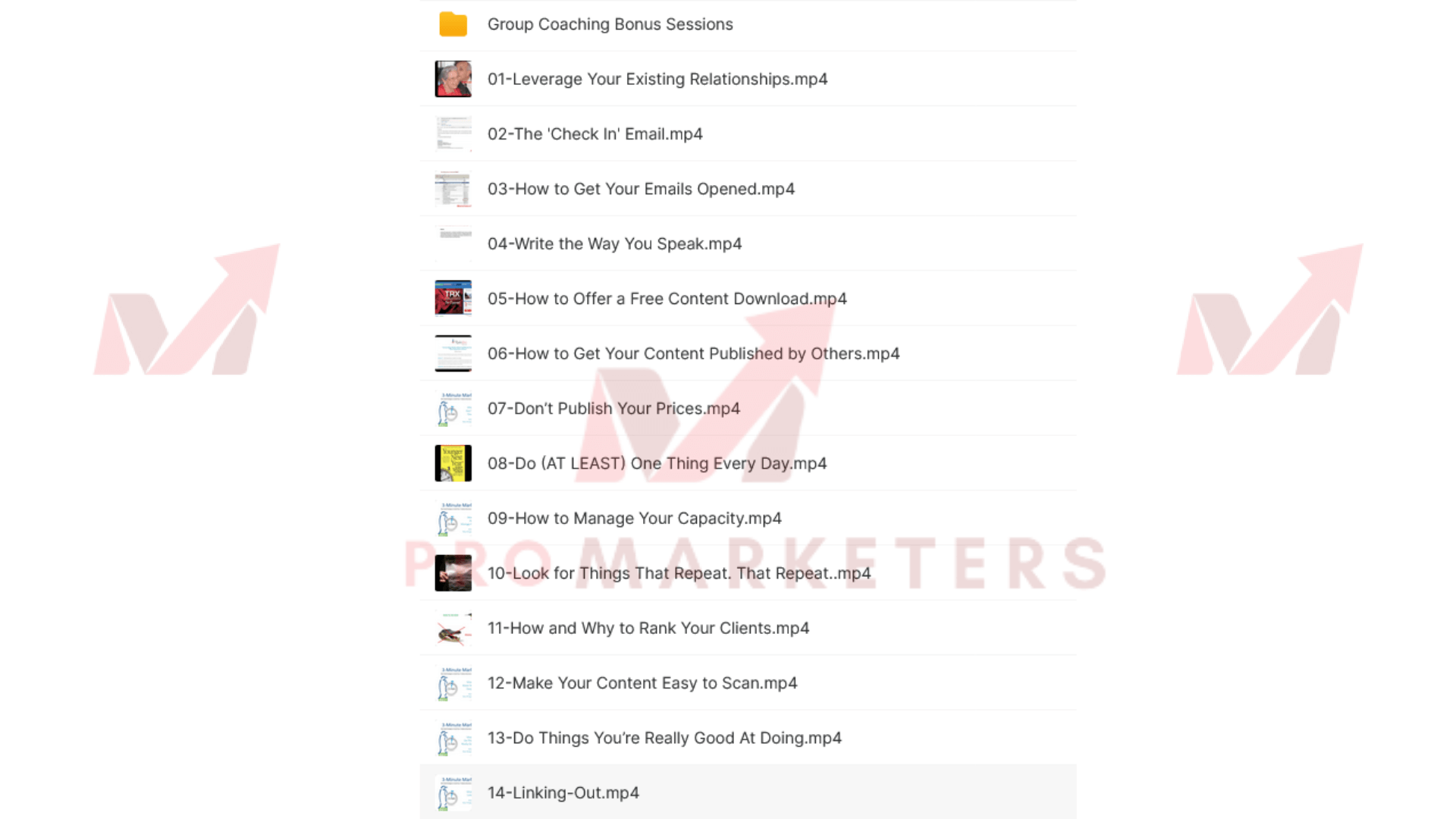
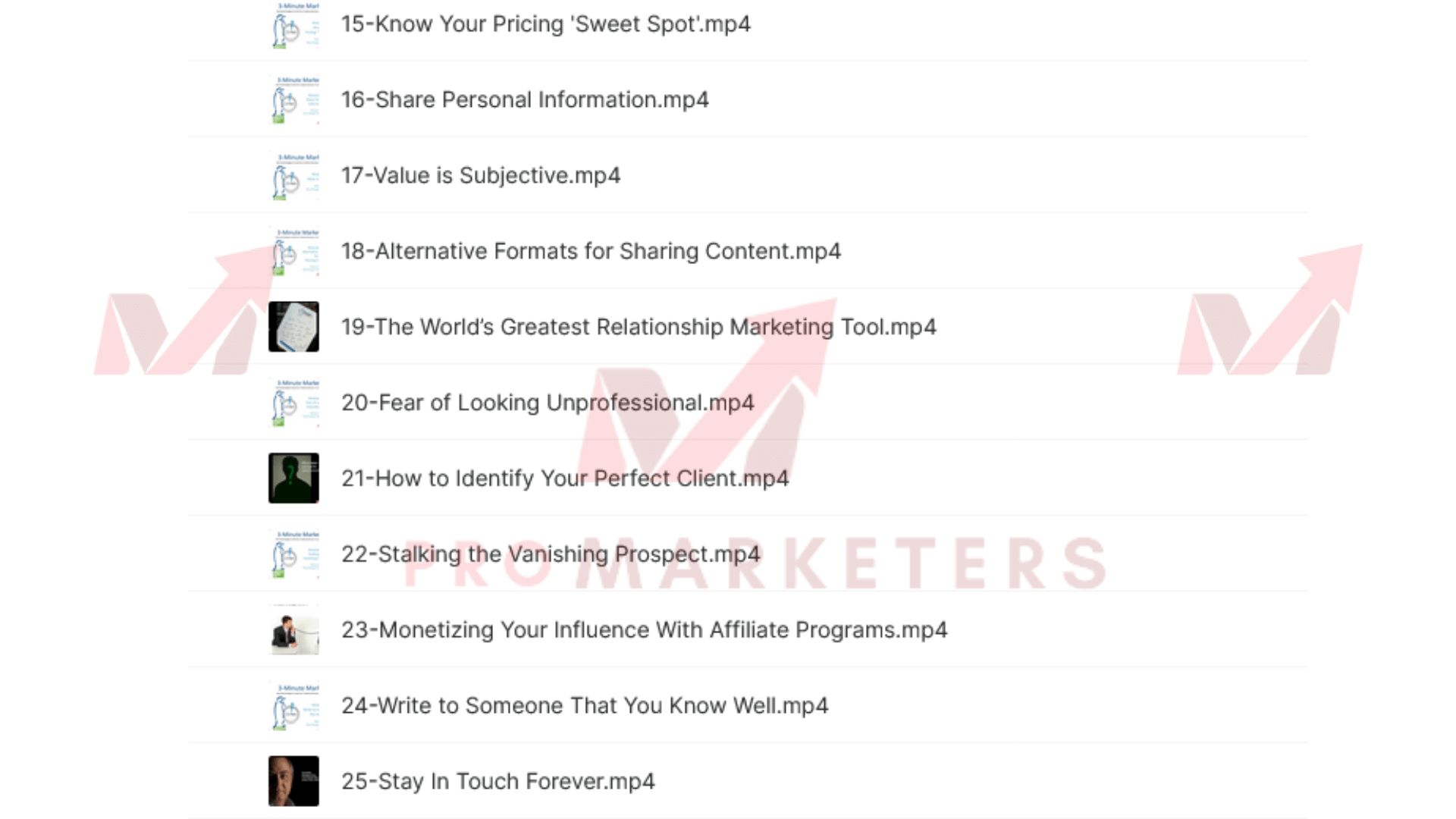
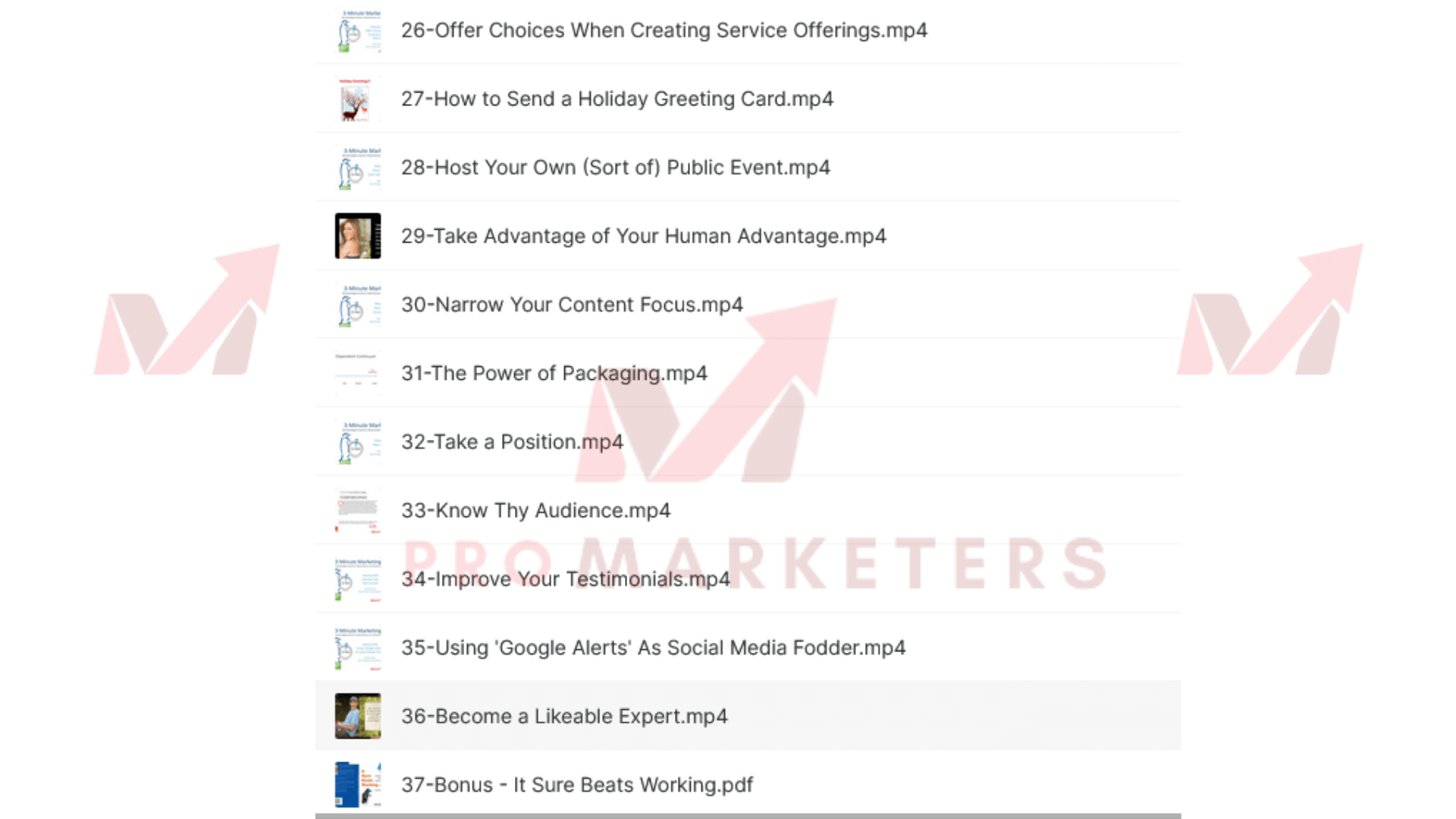
AWAI — 3-Minute Marketing, a quick-read daily series that shares marketing tips and strategies you can implement in minutes. Each session zeroes in on concrete actions, such as honing your niche, optimizing client outreach, or patching leaky calls to action. It covers proposal tips, pricing basics, client onboarding steps, and easy SEO victories. Sessions are repeatable, so a little every day accumulates over weeks. The format appeals to busy writers, designers, and marketers who want consistent growth without lengthy lessons. To provide immediate value, examples frequently utilize actual client situations, sample scripts, and checklists you can replicate. Below are the takeaway and application sections.
The 3-Minute Mindset
The 3-minute mindset is about employing brief, intense blocks to advance critical objectives in your coaching business. Small habits stack up and build real change in business, writing, and personal growth, ensuring you attract potential clients and maintain momentum even on your busiest days.
Embrace the power of short, focused marketing activities to consistently build your freelance business.
Three minutes can transform a big goal into a manageable step, especially in the context of building your coaching business. This comes in handy if you procrastinate or are paralyzed by scale. Time yourself for 180 seconds and select one well-defined activity, such as writing a follow-up email to a potential client. Tight focus slashes distraction and enables you to deliver in increments. Over time, these micro-steps decrease friction and increase output. For example, spend 3 minutes logging yesterday’s site visits and top keywords. The next day, write one meta title. By week’s end, you’ve got a leaner page, better search signals, and a speedier leads queue.
Prioritize high-leverage tasks that directly contribute to client acquisition and brand growth in just minutes.
High-leverage means near revenue or reach in your coaching business. In just 3 minutes, you can add a proof point to your portfolio, write a question for a discovery call, or refine a service line to clearly show scope and price. Consider tagging potential clients by fit in your CRM. Utilize a simple filter: ask if the task helps you get found, receive a reply, or get paid. For example, changing a headline from ‘Copy Services’ to ‘Email Copy that Lifts Open Rates by 15%’ can be a powerful marketing tactic that quickly enhances conversions.
Shift your mindset from all-or-nothing to progress-over-perfection for steady improvement.
Three minutes cuts the terror of grand, immaculate labor, helping you begin, understand, and course correct in your coaching journey. You develop a streak that builds trust in your own system. Keep a daily log: date, task, outcome, as this log demonstrates evidence, allowing you to stay on track in your freelance business. If you miss a day, do one the next day; no debt, no shame, only the 3-minute win is next.
Use daily 3-minute intervals to develop foundational writing skills and marketing strategies that drive results.
Choose a single skill every week to enhance your writing business. Day 1 to 3: write three punchy hooks. Day 4 to 5: draft two calls to action. Day 6 to 7: tighten one case study line by line. Rotate themes: research (find one client pain), SEO (improve one H1), outreach (send one value-first note), pricing (clarify one offer tier), and proof (add one metric). These little daily moves condition focus, eliminate flab, and produce good results in consistent leads and sales.
Daily 3-Minute Marketing Strategies
Reserve a daily 3-minute block for one coaching marketing strategy. Rotate to stay fresh. Small, bite-sized steps in your freelance business make progress simple to initiate and revisit, which builds habit and lowers your stress. As with all such small, consistent efforts, over time they compound and help you win work with little time lost.
1. Social Engagement
Leave one comment on a post from a prospect or industry leader. Just one to two lines citing a point they made, a quick insight, and a question that relates. This really amplifies reach within their audience with no hard selling.
Share a short tip on LinkedIn or X: one problem, one fix, one line of proof. For example: “Briefs unclear? Ask for goal, audience, and max word count. Cut edicts by 30%. Respond to any message or comment you got today. Quick responses indicate dependability and keep discussions moving. If your audience leans visual, share a 15 to 30 second Reel or TikTok of your writing workflow or a microlesson. Leave captions simple and include a single niche hashtag.
2. Content Curation
Select a powerful article or case study relevant to your coaching business and share it along with a concise takeaway. Be sure to credit the source when appropriate, as this helps in building credibility. This strategy allows you to see market trends and share movement swiftly.
Once a week, compile a 3-link roundup for LinkedIn or email, adding a brief comment on the relevance of each link today. This tactic can enhance your email marketing campaigns and keep your audience engaged.
Make these themed lists over time, for example, “SaaS onboarding examples” and “Health copy compliance notes,” so you can reshare or cite later. Keep links in an easy document for quick access.
3. Network Nurturing
Send a short check-in to a past client: one sentence to greet, one to note a result, and one to ask about current needs. Congratulate a contact on a milestone you noticed in their feed.
Provide a brief resource or intro that assists them today. Book a 3-minute follow-up block tomorrow to nudge any warm lead still hanging.
4. Portfolio Polish
Trade in a stale sample for a fresh, high-impact chunk that matches your current niche.
Add a logo or before and after screenshot for proof. Clear scans and jargon-free so clients get information swiftly.
5. Idea Generation
Post 3 – Brainstorm three post ideas tied to client pains in your coaching business. Identify a mini offer, such as a 60-minute audit or a template pack, to attract potential clients. Pull a prompt from your inbox or comments and craft a headline angle for your marketing activities.
Measure Your Micro-Wins
Micro-wins are things you can visually measure and check off in a day, essential for building a successful coaching business. They demonstrate progress quickly, keep you focused, and help you create consistent habits that lead to powerful marketing strategies and consistent leads.
Display marketing actions and results in a markdown table to monitor your progress effectively.
A basic table holds your activities and results together. It eliminates guesswork and ensures you notice what works without long reports. Measure one thing you do each day, one key metric, and one quick note on what to change. Measure your micro-wins.
|
Date |
3-minute action |
Metric |
Result |
Note |
|---|---|---|---|---|
|
01 Oct |
Update LinkedIn headline |
Profile views |
28 -> 46 |
Clear niche raised views |
|
02 Oct |
DM 3 past clients |
Replies |
1 reply |
Better subject line next time |
|
03 Oct |
Post tip on X |
Engagement rate |
2.1% |
Add image for lift |
| 04 Oct | Fix H1 on site | Avg. Position | 21 to 18 | Keep keyword in H1 |
About: Measure Your Micro-Wins | 05 Oct | Send 1 pitch | Reply | 0 | Test case study hook | | 06 Oct | Add FAQ schema | CTR | 3.0 percent to 3.8 percent | Retain schema on important pages
This format exposes patterns, nurtures a growth mindset, and prioritizes progress over perfection. It creates self-awareness by exposing where you shine or stall.
Celebrate small victories, such as a new follower, positive comment, or inquiry from a potential client.
Tick up a win the day it occurs in your coaching business. Examples include one new follower from a helpful post, a kind comment on your case study, a quick “We’re interested” note, finishing a task on time, trying a fresh call-to-action, or learning a new outreach script. A brief “win log” stokes motivation, builds confidence, and increases engagement on extended projects. Keep it light: note the win, why it worked, and one way to repeat it for better marketing strategies.
Analyze which 3-minute strategies yield the best results and double down on those tactics.
Sort your table weekly and ask which three actions moved a metric most in your coaching marketing strategies. Examples include headline edits that lift profile views, short tips that drive saves, and concise DMs that get replies over long ones. By implementing effective marketing tactics, such as FAQ schema that bumps click-through rates, you can double down by repeating the top strategies, trimming the rest, and testing one variant at a time to increase productivity and momentum.
Set weekly micro-goals and review your achievements every Friday to maintain motivation.
Pick 3–5 small goals: five pitches sent, one page SEO fix, two social posts, one testimonial ask, one portfolio tweak. FRIDAY — review results, count micro-wins, and tweak the next week’s marketing strategies. This cycle maintains attention, demonstrates advancement, and highlights opportunities for enhancing your freelance business.
Avoid Common Pitfalls
Three minutes a day works when you eliminate friction in your writing business. Minimize distraction, protect your attention, and utilize every mini-session purposefully for building momentum, not just a master plan.
Resist multitasking and focus on one high-impact action
Multitasking may seem efficient, but it fractures attention and reduces the quality of your writing business. Instead, choose a single activity for each session and complete it. Tease a headline on your services page to attract potential clients. Track simple metrics, such as reply rate or booked calls, to see what moves the needle. By defining your outcome before the timer starts, you prevent drift and maintain focus.
Choose consistency over perfection
Perfectionism paralyzes work in the coaching business. One recent client outcome shows we reduced support email volume by 30% through effective coaching marketing strategies. We tightened our case study by focusing on essential details. Working with this team has transformed our approach, allowing us to embrace ‘good enough’ now and polish later, minimizing burnout and keeping your pipeline flowing.
Close the loop with disciplined follow-up
Leads can go cold when you don’t follow up, making it crucial for your coaching business to build a simple cadence: day 2, day 7, day 21, day 45. Each note should remain brief, specific, and useful, offering one next step such as a 15-minute call link or a sample outline. Tracking status in a lightweight sheet helps avoid lost opportunities and shows where negotiations may languish, ultimately improving your marketing tactics.
Watch for hidden traps that slow growth
-
Underestimating time and effort can lead to not knowing what reasonable and measurable goals are per day.
-
No backup plan. Have a backup project ready if a tool is down.
-
Overconfidence; sanity-check offers and pricing against current demand
-
Procrastination. Use a 3-minute timer. Begin with a single small victory.
-
Confirmation bias, find a single disconfirming data point before you commit.
-
Rigidity; adjust your plan when results or markets shift
-
Perfectionism; ship version 1, schedule version 1.1 next session
Be vigilant about challenges in your coaching business, identify them quickly, and adjust your marketing strategies for good results.
Personalize Your Approach
Personalization in your writing business makes short daily marketing matter. It increases transparency, develops confidence, and sets you apart in competitive markets, even with three minutes of work.
Tailor your marketing messages and outreach to the unique needs and interests of your ideal clients.
Start with a one-page client profile that includes key details like sector, team size, and buyer role to enhance your coaching marketing strategies. For example, ‘SaaS, 20–50 staff, head of growth, needs more free-trial sign ups.’ Use that profile to mold each note and swap vague claims for clear outcomes: “Cut churn emails by 15% in 60 days” is better than “improve retention.” Personalizing requires time to collect specifics, but it raises note fit and increases responses because it matches actual needs. Research from areas like education and medicine demonstrates that personalized messaging enhances results, making it a crucial aspect of your freelance business.
Highlight your unique strengths, niche expertise, and personal brand voice in every interaction.
Name your edge in plain words: “Long-form SEO for B2B health,” or “UX copy for fintech sign-up flows.” To effectively promote your writing business, maintain a proof bank with three to five mini victories and one metric each, in metric units when applicable. Use a simple voice guide: three words that match your brand (clear, calm, direct). Some folks out there will interpret “personal” differently, so stay even-toned. If you blog daily updates, reiterate your edge with different evidence and your same wording on your site, pitch deck, and social profile to attract potential clients.
Use client names, specific project references, or personalized recommendations to stand out.
Start by addressing the potential client with their name and a specific detail: “Your April release notes focus on speed. Your blog could reflect that theme.” Include a small, useful tip such as a headline rewrite, a 100 to 150-word intro draft, or a schema idea. Mention a public project, webinar, or case study, as this illustrates your effort to understand their needs, which builds confidence. Many will struggle to transition from scripts to personalized notes, so offer a template with two personalized lines as a helpful crutch to facilitate this process.
Adjust your strategies based on feedback, analytics, and your evolving business goals.
Monitor opens, replies, and scheduled calls in your email marketing campaigns. Scan weekly to identify if a niche or offer drags; if so, try a new angle for a week or ten days. Use light data tools to steer your next marketing strategies.
The Compound Effect
The compound effect is the return you receive when these tiny, consistent actions accumulate over time. We all recognize it in finance, health, and skill-building. The same rule applies to three-minute marketing. Three minutes a day seems negligible. If done every day, it transforms your pipeline, brand, and income for real, ultimately boosting your freelance business.
Understand that three minutes of email marketing consistently over time compounds to generate massive long-term business growth. One day, shoot a brief pitch to one lead. The next day, revise a portfolio sample. Yet another day, share a brief tip on some platform your clients read. After 90 days, you could have 90 touch points, 20 warm replies, six calls, and two new clients. This is similar to saving a little bit each day. Like compound interest, your impact accumulates as your assets—reach, trust, and proof—pile and cross-link.
Harness the rhythm of daily habits to create a powerful brand, reliable client pipeline, and glistening portfolio. Use a simple weekly loop: Day 1, research one prospect; Day 2, write a 75-word pitch; Day 3, engage on one public thread; Day 4, add one line of proof (metric, client quote) to a case study; Day 5, follow up; Day 6, refine one profile line; Day 7, recap and reset. Over months, your brand voice sharpens, your niche signals get clear and your samples track real-life results, such as a lift in organic traffic or sign-ups. This is similar to working out for 10 minutes a day. The reward is gradual at first and then becomes noticeable, leading to significant professional rewards.
Track your momentum and insights to optimize your strategy and accelerate outcomes. Keep a simple log with four fields: action, time spent (3 minutes), outcome, and note. Review weekly. If a subject line obtains more responses, store it. If a niche passes you by, change the angle. Learning compounds as well because small reviews enhance skill as time passes, the same way that daily practice increases fluency.
Motivate them to apply the 3-minute marketing mindset for long-term success. Post your log template. We post small wins and exact steps, not hype. Warn that the effect works in reverse: skip follow-ups, ignore leads, or post low-quality takes, and small lapses grow into lost reach and trust. Consistency and patience trump bursts and burnout in every market and every region.
Conclusion
To develop a consistent freelance trajectory, make it brief, precise, and everyday. Three minutes is tiny, but it adds up quickly. A quick pitch revision. A quick note to a former lead. A post with a focused tip. Little steps accumulate. Results lead to calls, replies, and cash in.
To remain honest, record a single metric each day. Leads dispatched. Replies. Clicks to your site. Wins feel real, not vague. Eliminate fluff. Repair one frailty at a time. Whatever your niche and goals, shift the plan.
To make it stick, schedule a 3‑minute block. Select a single activity. Do it. Log it. Done. Need a jump start? Pick one of the daily prompts above, set a timer, and deliver your next little victory today.


