
Description
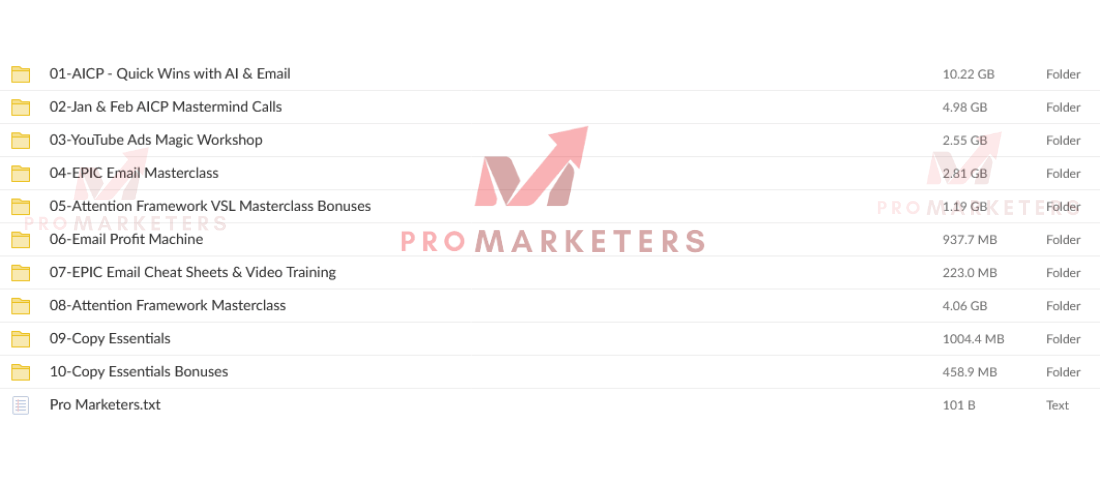
A SWATH OF WORK & TRAINING KNOWN FOR TRANSFORMING AI TOOLS INTO TRANSPARENT, ON-BRAND, TEST-READY COPY. Built on conversion research and plain language, it frames prompts like briefs, uses voice maps to guide tone, and anchors claims in user proof. It relies on test and live edit and swipe file data, then combines it with AI workflows that slash draft time but retain message control. Typical outputs are landing page copy, email sequences, and JTBD/VOC-shaped value props. To provide a complete picture, the guide below illustrates fundamental strategies, prompt templates, and sanity checks that keep copy crisp, clear, and connected to impact across platforms and departments.
The AI Copywriting Mindset
AI copywriting is a workflow, not merely a hack. It treats AI as a tool that accelerates tasks and helps you focus on choices that truly move the needle: strategy, message, and voice. This approach keeps you in the driver’s seat while AI handles the busywork, allowing you to enhance your copywriting process.
Unleash AI to boost craft and output for writers of any caliber. A new freelance copywriter can leverage AI to whir first drafts, sift research, and sketch structure for a landing page in minutes. Meanwhile, an experienced freelance copywriter can experiment with 10 headline angles, split test offers, and message map hierarchies without burning through hours. Use it to extract key information from lengthy reports, group user quotes, or transform a rudimentary outline into a polished draft. Then step in to sculpt tone, rhythm, and polish.
Move from fear to leverage. Consider AI a quick jump to immediate victories. For instance, provide it a snippet, audience pains, and a sample voice; request three email openers with different tones. Use those to select a direction, not an end. Request 5 CTA lines for a free guide, then select and polish. Keep prompts tight: goal, audience, proof, constraints, and format. If output is bland, add more context, harder constraints, and examples to mimic.
Great copy still needs thoughtful strategizing, not just typing. Machines learn from patterns and often lean generic. Guard against sameness by adding point of view, lived proof, and fresh frames. Insert data (e.g., 30% lift in sign-ups), voice tells (short, punchy verbs), and structure choices (clear contrast before proof). Choose what to say, in what order, to whom, and why it matters now. That judgment is distinctly human.
Construct an expansion habit. Use AI to drill core formats daily: craft 10 headline variants, rewrite value props for three segments, or test subject lines with different lengths. Transform user call notes into insight bullets, then extrapolate them into benefit-led copy. Utilize it for data extraction, FAQ mining, SEO mapping, and on-page evaluations (readability, links, meta). Expect outputs as things to edit, not as endpoints. Learn prompt craft, review with a skeptic’s eye, track wins, and record decisions for authorship clarity. As tools advance, your work will drift toward strategy, creative direction, and edit-level oversight.
How to Master AI Copywriting
AI accelerates drafts and expands possibilities, but it’s not a substitute for an experienced freelance copywriter. Treat it like a speedy junior copywriter you direct. Use it to draft, test and edit, leveraging your skills to plan, judge, and elevate the writing copy.
1. The Prompt
Craft prompts that establish goal, audience, offer, proof, and voice. State the action you want: sign-ups, demos, trials.
Map messages, first. For a sales page, outline problem, promise, proof, plan, price, and push (CTA). For emails, map out subject line + hook + value + next step. Paste these into the prompt so the bot has a page plan.
Try prompt sets to find new angles: pain-first vs. Outcome-first, social proof vs. Risk removal, short vs. Long. Keep track of landing page, ad, and web copy winners. Example: “Write 3 benefit-led H1s under 12 words for a SaaS that cuts project time by 30%.
2. The Research
Have AI profile ideal users, compare competitors, and list trends with sources. They need citations and dates.
Turn findings into a one-page cheat sheet: top pains, desired gains, common objections, buying triggers. Review and case study summaries assist in inserting social proof lines and voice-of-customer phrases.
Have it parse best-in-class ads or pages. Ask what organizational format, evidence, and CTAs they employ, and what you may borrow.
3. The Edit
Use AI sweeps to flag fluff, vague verbs and passive voice. Set rules: one idea per sentence, clear CTA, proof near claims.
Compare its edit to your draft. Retain powerful CTAs, trim fluff, correct tone wander. Build a checklist: clarity pass, proof pass, objection pass, CTA pass, style pass.
4. The Voice
Provide samples and a brief style guide. Pay attention to things like sentence length, jokes, and vocabulary. Ask for 3 tone options, then tune.
Test for fit: professional, straight, or warm. Tweak per client or industry — healthcare requires precision, e‑commerce can be cheeky. Your ear rules.
5. The Test
Spin A/B variants fast: headline, lead, CTA, proof block. Use AI to read results and suggest next tests.
Record results in an easy table. Iterate weekly with actual metrics. This shifts you toward Copy Chief: strategy, persuasion, and social proof while AI drafts. Stay hungry, tools shift, judgment remains rare.
Applying AI to Your Copy
Utilize AI across the workflow: brief, research, outline, draft, edit, and QA. By leveraging AI copy tools, you can delegate the grunt work, allowing you to focus on strategy, interviews, and building client trust. Create a cache of preformed copy for hectic weeks, especially when aiming for conversion copywriting. Anticipate speed boosts—one reader claimed first drafts plummeting from 10 hours down to 2—but always schedule revisions. AI can overlook nuance and context, so consider it a quick collaborator needing your editorial insight. Keep a numbered set of templates ready for your copywriting career.
-
problem-agitate-solve blurb,
-
value prop,
-
benefit bullets,
-
feature-to-benefit rewrites,
-
objection handlers,
-
FAQ,
-
testimonial polish,
-
CTA variants,
-
meta titles/descriptions,
-
email segments,
-
headline banks,
-
ad angles.
Email Effectiveness
Apply AI to your copy – for example, use prompts tuned to welcome+, cold, and sales flows. Request 5 sets of subject lines per persona, with specifications for tone, length, and curiosity. Then force AI to rewrite for clarity and sprinkle in some preview text to set up the click.
Apply AI to your copy, expose open and click data to AI by feeding it a CSV of sends. Let it cluster subject lines, map CTAs to click rate, and suggest next tests. It composes the subsequent three variations and a test blueprint.
-
Welcome: day-by-day prompts, soft CTA, brand story
-
Cold: pain-led lines, 3-value hook, 1 ask
-
Sales: scarcity windows, bonus stack, risk reversal
-
Re-engage: “still want this?” one-click options
-
Post-purchase: cross-sell, setup tips, review ask
Personalize at scale: dynamic fields, behavior tags, and region-safe time cues. Always human-check tone.
Landing Page Impact
Use AI to draft pages with proven Copyhackers flows: voice-of-customer headline, promise, proof, path, and push. Request hero copy, subhead, 7 benefit bullets in plain language, objection blocks, and targeted CTAs. Create 3 variations for each section, then combine and interchange.
Build plans for homepages and opt-ins: sitemap sketch, section goals, headline banks, and social proof slots. Run multivariate tests on layout and claims — AI can flag the best combo from heatmaps and metrics. Maintain a portfolio of your AI-assisted pages with before/after stats and your edit annotations.
Sales Page Conversion
Use AI to draft long-form pages that raise, answer and close. Feed it VOC, segment-specific objections, and proof assets. Use AI-crafted outlines to connect problem to solution with sharp transitions.
Edit with AI for clarity, remove fluff, and sharpen CTAs. Track conversion and bounce, prompt AI to propose micro-updates. Quality varies, expect “shitty first drafts.” Your taste is the fix.
Web Copy Quality
Feed AI your product/about/service copy and polish for tone and claim substantiation. Use it for your keyword ideas, meta data, and schema notes. Provide voice guides so pages “sound” the same across the site.
For seasonal pushes or new SKUs, AI drafts quick swaps. It aids in research and organization, you establish context, tone, and legal reviews.
Engaging Ads
Prompt AI with ad angles by pain, outcome, and proof while leveraging advanced copywriting techniques. Create short search lines, social hooks, and longform sponsored posts that showcase your skills as a freelance copywriter. Spin variants, test quickly, and record champions to build a library by channel and stage, reducing lead time in your copywriting career.
Beyond the First Draft
AI first drafts are fast and practical, but they are not the end zone in the copywriting process. The true magic occurs in the editing, where you establish tone, style, and an appropriate audience for your conversion copy. Too many freelance copywriters get mired in revising, not knowing what to fix first.
Treat AI-generated copy as a starting point—refine, personalize, and add strategic insights for exceptional copy.
Start with purpose in your copywriting career. Write down your one objective in one sentence, e.g., ‘obtain registrations for a 14-day trial.’ Then plan out the reader’s pain, the evidence, and what’s next. AI text frequently lacks nuance or context, so incorporate actionable copywriting training. Add numbers, names, and real use cases: “Teams cut response time by 32% in 6 weeks.” Align tone to the reader’s stage: calm and clear for risk-averse buyers; crisp and bold for early adopters. Tie choices to direct response basics: strong promise, clear benefit, clear risk reducer, and a direct ask.
Use AI to brainstorm alternative headlines, CTAs, and angles for every copy project.
Ask for 20 headline stems across angles: urgency, social proof, savings, speed, and safety. Examples:
-
Urgency: “Start today; see results in 7 days”
-
Proof: “Trusted by 2,100+ clinics”
-
Savings: “Cut costs by 18% this quarter”
-
Speed: “Launch in under 10 minutes”
-
Safety: “Encrypted end to end” Do the same for CTAs: “Start free,” “Book a demo,” “Get the guide.” Try short v. long lines. Trade TIN for ‘See your plan in 60 seconds’ Maintain international clarity – cite data in metric.
Collaborate with AI to speed up revisions and meet tight deadlines without sacrificing quality.
Use AI for quick passes in your copywriting process: shorten by 20%, remove jargon, merge dupes, or switch tense. Provide it your outline, reader, and result to ensure the revisions remain on target. AI assists the free spirits and flow seekers by trimming hours off the hustle, but it still requires human validations for assertions, voice, and societal alignment. Fast is a victory, but speed is only a victory if the writing copy still rings true and moves action.
Document your editing process to create a repeatable system for turning decent drafts into stellar copy.
Keep a checklist: goal, reader, promise, proof, offer, risk reducer, CTA, voice, and brevity. Incorporating advanced copywriting techniques, winner’s lines and patterns – save them. Record what trounced control copy and for what reasons. This eliminates uncertainty, renders excellence duplicable, and helps you become a successful copywriter every time.
The Human-AI Partnership
The goal is to combine human insight with AI velocity so copy is more impactful, quicker to deliver, and simpler to localize.
Combine your expertise as a copywriter with AI’s instant access to data and creativity for superior results.
AI can scan briefs, past campaigns, reviews, and search data in minutes, then spit back angles, claims, and voice options. You bring the strangeness of audience, risk, and brand nuance. For a product launch, have AI sample 10 headline frames linked to common pains, then you match each against real objections and compliance guidelines. For conversion copywriting, feed feature lists and FAQs to AI. It drafts benefit ladders, while you tweak tone, logic, and proof. This transitions you from a new copywriter to a successful copywriter, directing generative tools to construct strong first drafts that match objectives and tone.
Assign routine tasks to AI, freeing up your time for high-value strategy, client calls, and creative thinking.
Let AI do outlines, variants, and meta tags, while a skilled freelance copywriter can focus on crafting engaging content. A 10-hour draft can fall to about 2 hours when AI provides the skeleton and sparking lines. You can spend the saved time on audience research and messaging maps, essential for writing copy that resonates. That shift up the value chain frequently sustains higher billing rates–one team experienced its hourly rates increase by 21% following a retooling of workflows around AI-assisted drafting and human-led strategy.
Use AI as a backup and brainstorming partner during busy work weeks or when facing writer’s block.
When timelines tighten, feed in the brief and request 5 hooks per segment, 3 angles per channel, and 2 CTA options per page section. Keep a library of prompt templates: objection resets, guarantee frames, testimonial reframes, and “reason to believe” proof stacks. While AI copy can generate rapid but inconsistent output, you refine it for clarity, accuracy, and rhythm, treating it like a junior partner — excellent at bulk and memory, not discretion.
Foster a collaborative workflow where both human and AI strengths are maximized for every copywriting situation.
Set a clear split: AI for first drafts, idea generation, and formatting, while experienced freelance copywriters handle planning, research, persuasion, and final edits. Define limits: AI can write faster than humans, but it cannot replace skilled copywriters. Build in checks for facts, claims, and cultural fit, and keep brand voice guides in prompts. The real advantage lies in focus: with AI covering first passes, you spend more time on high-level strategy, message-market fit, and client guidance while mastering the copywriting process.
Future-Proof Your Skills
Future-proofing your freelance copywriting career involves building a workflow that combines AI’s speed with human judgment, ensuring your writing remains sharp as tools evolve.
Continuously update your copywriting skills by integrating new AI tools and techniques into your workflow.
Employ AI to sketch options and outline angles for your copywriting career, and surface research before transitioning to human review for voice, nuance, and logic. Set a simple stack: a drafting model, a research assistant, and a tone checker. Build prompt libraries for typical work, such as homepage hero and onboarding emails, and run them against actual briefs to enhance your writing skills. Measure improvements in hours saved and error rates, not just words per minute. Trusting AI blindly is foolish; it overlooks context and misreads nuance. Speed is only useful when your output is correct, so develop a habit of fact-checks and editing sweeps.
Enroll in copywriting courses and live copy programs that teach advanced AI copywriting strategies.
Choose courses that instruct prompts by job-to-be-done, not by model buzz. Instead, prioritize modules on research synthesis, voice adaptation, and testing. Live critique is crucial: watching line edits on AI drafts teaches what to keep and what to cut, making it essential for any freelance copywriter. Seek out practice on complex formats—long-form sales pages, onboarding flows, and PPC ads—plus data-use lessons, like extracting themes from customer reviews. Aim for repeatable systems: briefs, prompts, edit checklists, and QA steps to enhance your copywriting career.
Build a diverse portfolio showcasing your ability to blend AI efficiency with human creativity.
Include paired samples: AI first draft vs. your final edit, with notes on changes. Show before/after metrics, such as lift in click-through rates, form fills, or time on page. Incorporate different formats—SaaS landing pages, email copy, product descriptions, and worldwide campaigns with metric units. Add process pages demonstrating how you leveraged actionable copywriting training and AI to cut down time for bids and proposals while maintaining a pure, clean, and clear brand voice.
Position yourself as a forward-thinking copywriter ready to tackle evolving client needs and industry trends.
Make your pitch clear: you use AI to automate first drafts, freeing up time for higher-value work and enhancing consistency. State the guardrails: human review, fact checks, and stakeholder input. Demonstrate your ability to edit AI content for factual errors, tone, and legal risks. Highlight skills that AI lacks at scale—creativity, critical thinking, and problem-solving—paired with business sense: message-market fit, conversion goals, and testing plans. Your strongest advantage lies in a blend of technical, business, and creative skills that’s challenging to replicate, making you a successful copywriter.
Conclusion
AI can enhance your copy, not substitute your advantage. Clear briefs, sharp prompts and tight edits do the heavy lift. Good examples instruct the model to nail tone, pace, and voice. Short loops trump long hunts. Try in little hits Measure success with specific objectives such as clicks, registrations, or duration on page.
To solidify ability, prepare a clean stack. For rough work, start with a base chat tool. For polish, run a style check. For stat, rely on a reputable resource. Maintain a swipe file of actual ads and emails. Notice what works and why. Refresh it monthly.
Ready to up your game? Take a chunk this week, select a prompt from above, determine a metric, deliver, then share your score.


