
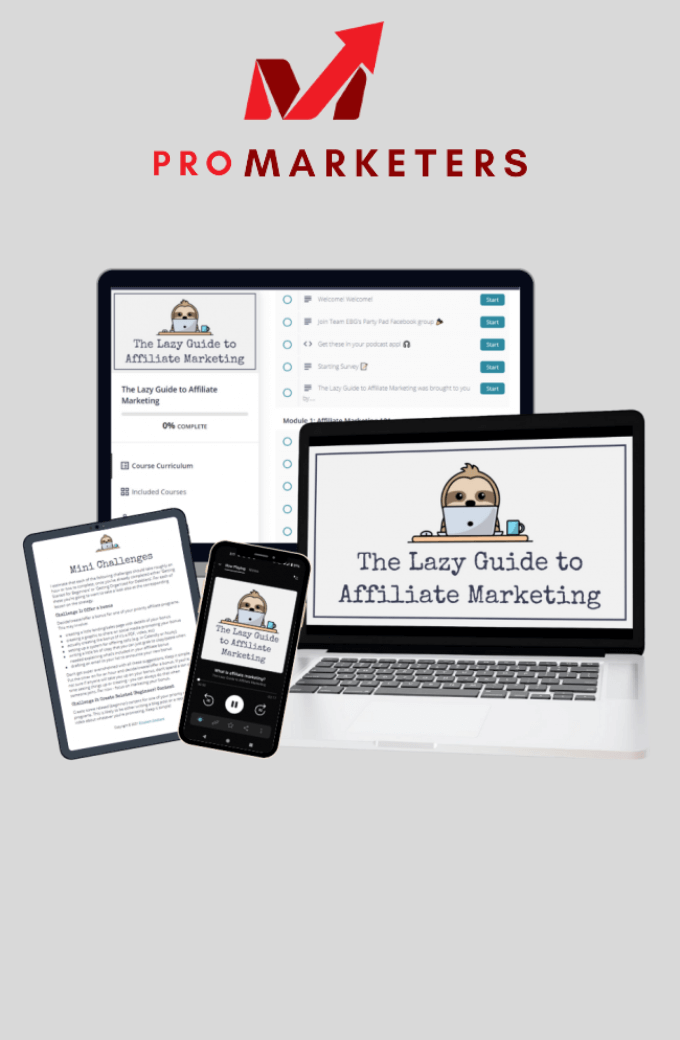
Description
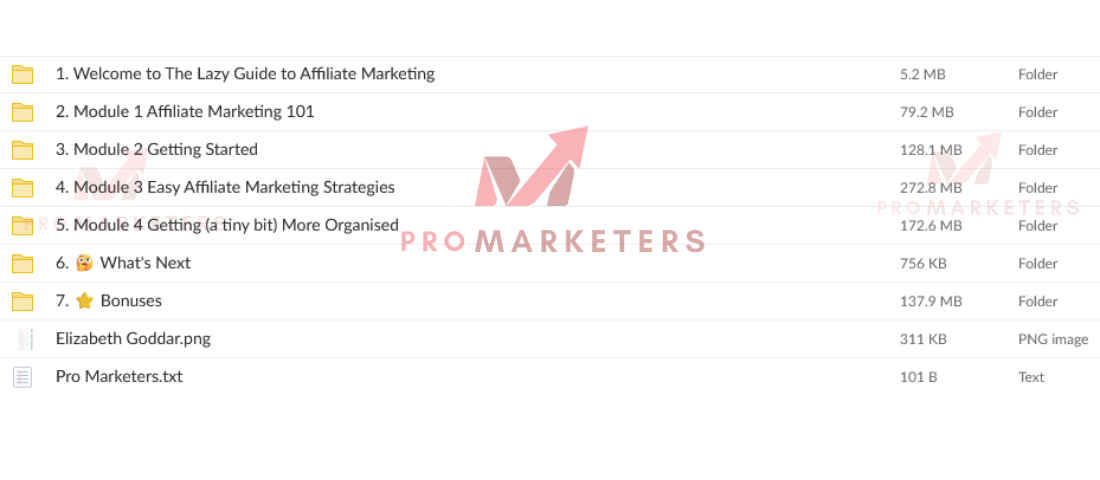
Is an easy framework for beginners that teaches how to launch and nurture affiliate income with lean effort and straightforward steps. It prioritizes low-friction activities, such as rapid content outlines, simple keyword utilization, and concise calls to action. It employs short-form posts, email notes, and repurposed content to minimize time spent on setup. It prioritizes free or inexpensive tools, bare-bones workflows and authentic product selections to earn trust. It’s perfect for creators, freelancers, and small teams who want consistent outcomes without complicated funnels. It dives into link rules, disclosures, click-through rate, and earning per click. The chunks below outline the technique, essential actions, and example workflows for day-to-day application.
The Lazy Philosophy
A convenient philosophy for affiliate work that swaps grind for clever systems and consistent growth.
Adopt a lazy philosophy for affiliate marketing that values intelligent passive revenues rather than non-stop grind. Not to do nothing, but to do less of what does not move the needle. Think of affiliate links as capital that earns income long after you publish. A clear how-to: pick 3–5 evergreen products that match your niche, write one thorough guide for each, and add comparison notes and FAQs. Update once per quarter. While some view this as an escape from the 9-to-5 grind, it assists anyone with low energy, whether due to chronic illness, disability, or another source, establish a sustainable pace.
Instead, concentrate on taking advantage of some existing online business assets — a blog, an email list, some social media, etc. — to do lazy affiliate promotion. Add ‘resource’ sections to top posts, one CTA mid-article and link a tool stack at the bottom. In email, build a simple three-part sequence: a quick tip, a case use, and a reminder with one link and a plain-text note on why it helps. On social, stick a short review post there with a defined benefit and a single link. Repurpose the same core copy across channels and you’ll save yourself hours. This reuse honors the lazy philosophy: minimum lift, maximum reach.
Don’t resort to pushy or spammy tactics when you can select genuine recommendations and foster trust with your readers. Select products you’ve tried or can try for free. Post a specific result– ‘cut edit time from 60 to 20 minutes’, not general hype. Be upfront about any links. Screenshot, quick clips, or a one page checklist of actual steps. Trust creates value, value creates clicks, clicks create income.
Apply the “lazy guide” mentality towards your business planning to shave time for other inspired business activities. Automate routine tasks: schedule evergreen posts, set tag-based email triggers, and track link clicks with one dashboard. Leverage existing relationships and networks: partner on a co-written guide, swap a newsletter shout-out, or share a joint webinar replay with both audiences. Many discover that once systems are live, maintenance can drop to 5–10 minutes a few times a month. The shift is mental as much as tactical: measure results, prune what underperforms, and keep the few actions that bring steady returns.
Your Affiliate Marketing Blueprint
Create a straightforward, scalable scheme to build a passive income stream. Set goals (e.g. €300/month in 90 days), identify your audience’s fundamental problem, and choose a platform mix that fits your time. Keep setup light: no fancy software, no extra pages, and no sales-page copy. The goal is simplicity; slow and steady wins, establishing a direct connection between trust in your community and clever, low-friction marketing. Many online business owners find their first commissions with just 5–10 minutes of dedicated work a couple of times a month.
1. Niche Selection
Pick a niche you’re familiar with and can discuss effortlessly. Align it with audience needs: productivity tools for freelancers, budget fitness gear, or privacy-friendly software. This makes your advice sound authentic, not canned.
Check keyword searches to identify gaps. Use Google Trends, Keyword Planner, and search intent review to locate terms with consistent traffic and reasonable competition.
Write down 5-7 niches. Rate each on affiliate program depth, commission levels, cookie duration, and typical order value. Prefer recurring models such as SaaS, memberships, or curated subscription boxes which can stack month-to-month.
Run a small test: publish one review, one “how I use it” post, and one email. Clicks per 100 views, conversion rate) before you go all in.
2. Platform Choice
Fit format to your style and schedule. If you like long-form, go blog. If you teach visually, YouTube or Instagram. For quick victories, e-mail is usually best since it goes to folks who already trust you.
-
Blog: evergreen reach, SEO lift, higher setup effort.
-
YouTube: strong intent, long shelf life, editing time needed.
-
Instagram: quick touchpoints, limited link spots, reels work.
-
Email: high conversion, low cost, needs list growth.
Host on WordPress with a lean stack: reliable shared hosting, a fast theme, and a link management plugin. Brand consistently across site and social profiles for legitimacy.
3. Partner Programs
Enroll in plans with transparent conditions and good name. Seek out high or recurring commissions, lifetime cookies, exclusive coupons. PayPal or Stripe, clear refund policies and accessible affiliate support are concrete indicators.
Review previous promos for top EPC and low refund rates. Negotiate if you can–Black Friday bundles, bonus modules or exclusive voucher codes can boost conversions. Over time, one quality partner can really add up — some affiliates have lifetime commissions of more than $103,000 from one program.
4. Content Strategy
To build a successful online business, create a 90-day calendar that includes one cornerstone review per month, two comparison pieces, and weekly quick tips, along with two email sends each week. Sync posts with launches, flash sales, and seasonal demand through Google Calendar to maximize your affiliate marketing efforts.
When writing reviews, focus on teaching your audience who the product is for, setup steps, real pros and cons, and include a short “best fit” verdict. Including screenshots or quick clips can effectively demonstrate actual usage and enhance your passive income stream.
Implement SEO basics by using one main keyword, helpful subheadings, and internal links to related posts. Focus on long-tail keywords with explicit purchase intent to improve your revenue stream.
Finally, re-purpose existing content by turning a webinar outline into a blog post, slicing blog sections into Instagram carousels, and recapping each into a newsletter. Checklists and mini-challenges can motivate readers to take immediate action and generate clicks, ultimately impacting millions with your online business.
5. Link Integration
Place links where they make sense: after a clear benefit, in a “tools I use” box, or under a step-by-step tip. No pop-ups that ruin reading.
Be transparent and include compelling CTA buttons. Try placements across blog, email, Instagram bio.
Monitor with link shorteners and UTM tags. Monitor CTR, CR and EPC. Keep what works, chop what chokes. The “lazy” path prefers tiny, consistent adjustments which provide a monthly increase with very little additional effort.
Create Effortless Content
Effortless content is when you share actual tools, courses, and software you already use, creating a passive income stream with less work and less stress. This approach shatters the myth that you need to grind on research and scripts and expensive funnels. The good ol’ days of one blog post, first on a keyword, paying the bills are mostly gone, and even a lot of online business owners don’t want to blog. An easy, repeatable system can squeeze into a hectic week and still make a noticeable effort.
1) Batch-create in short, focused blocks
-
Choose one topic theme a month (ie, email tools). List 3 affiliate offers that match the theme. This narrow focus keeps decisions easy and consistent.
-
Outline four content pieces in one sitting: a quick tip post, a comparison, a short tutorial, and a 48-hour flash sale note. No titles, just direct from the headline and three bullets.
-
Quick tip post
-
Comparison
-
Short tutorial
-
48-hour flash sale note
-
-
Write all content in 60–90 minutes. Aim for short forms: 150–300 words for posts, 60–90 seconds for video reels, or a five-slide deck.
-
Repurpose: turn the comparison into a checklist PDF; Listen to the tutorial as an audio note; clip a reel from the pdf.
-
Plan all your monthly stuff in one place. All told, just 5–10 minutes a few times a month – after your initial first pass, because you recycle bits. This assists the hard-feeling or non-bloggers.
Use templates for sales, landing, and email
Templates reduce writing time and decision fatigue, making it easier for online business owners to create effective content and enhance their affiliate marketing efforts.
-
Sales page: Problem, Outcome, 3 Features, Proof, CTA.
-
Landing page: Headline with benefit, 3 bullets, opt-in, trust badge.
-
Email: Hook, one main point, screenshot or step, CTA, P.S. Store text-only copies to paste anywhere. Exchange deals, no restructuring required. It eliminates the overwhelm many experience when a new promo tacks work to the list.
Outsource non-core tasks
Engage a proofreader for polish and legal and a designer for covers and checklists while utilizing resources like affiliate marketing to boost your revenue stream. Use simple briefs: audience, promise, link, and deadline to streamline your business launch.
Focus on evergreen plus smart flash sales
Post short evergreen articles that answer the questions of ‘what it is,’ ‘who it helps,’ ‘how to start,’ and ‘cost.’ Combine these with occasional 48–72 hour flash sales related to affiliate programs or new features. Evergreen content delivers consistent clicks, while flash sales can create a passive income stream for online business owners.
Automate Your Growth
To you, that automation in affiliate marketing means building little systems that run on their own, creating a consistent flow of clicks and sales with minimal daily effort. This approach aligns with The Lazy Guide’s core idea: value first, trust always, and simple tools that save time. The ultimate goal is to contribute an obvious boost to monthly revenue streams — no slimy strategies or late nights involved.
Set up automated email sequences using platforms like ConvertKit or ActiveCampaign to promote affiliate offers to new subscribers.
Start with a short welcome series: a lead magnet delivery email, a follow-up that solves one pain point, and a soft offer tied to that problem. By incorporating affiliate marketing strategies, you can steer readers down paths that suit their interests. For instance, if a subscriber clicks ’email marketing’, send a case study on list growth, then a review of a tool you use, and finally, introduce a passive income stream with a time-bound bonus. Make your emails plain text, add a single obvious call to action linked to your affiliate link, and always include your disclosure. Upload 3–5 emails at once, then check metrics monthly for 5–10 minutes to refine your strategy, establishing trust and generating revenue without daily sends.
Implement evergreen sales funnels that nurture leads and encourage affiliate purchases without daily intervention.
To build a simple funnel, create an opt-in page, a thank-you page with a low-key video, and a three-email value series, followed by an offer email featuring a bonus like a checklist. Focus on a single topic per funnel—such as SEO basics or podcasting—and allow visitors to engage anytime throughout the year. Setting a 3–7 day window on bonuses encourages action without pressure. While the upfront work is significant, this passive income stream can run on autopilot, requiring minimal maintenance.
Schedule social media posts and blog updates in advance to maintain consistent traffic and engagement.
Batch two weeks of posts in something like Buffer or Later to enhance your affiliate marketing efforts. Combine fast tips, mini-clips, and one post a week that directs to your review/tutorial, creating a passive income stream. On your site, queue monthly refreshes: update screenshots, swap out expired deals, and add FAQs to maintain a constant stream of traffic across time zones.
Use automation tools to track affiliate payouts, manage promo codes, and send payment notifications effortlessly.
Utilize a tracker such as Affilimate or your own custom sheet that imports data through CSV. Set alerts for broken links, 404s, or payout drops to protect your affiliate marketing efforts. This eliminates guesswork, saves you hours, and ensures a steady passive income stream.
Avoid Common Pitfalls
Don’t waste time; keep your affiliate marketing efforts lean and honest. The ‘lazy’ approach succeeds when you reduce friction, remain transparent, and protect trust with scrupulous care. Keep it simple and valuable, establishing upfront rules for yourself before you promote your affiliate links.
-
Do: keep your offer list short and aligned with your niche. Don’t: flood emails or posts with many links that confuse readers.
-
Do: disclose affiliate links in plain words at the top. Don’t: hide or bury disclosures. It breaks trust and can breach laws.
-
Do: choose programs with fair terms, tiered payouts, and sane refund policies. Don’t: sign contracts with single flat fees, clawbacks, or high refund rates.
-
Do: test products you can vouch for or vet with credible proof. Don’t: promote tools you have never used without third‑party signals.
-
Do: share real outcomes and limits of earning potential. Don’t: hint at quick riches or set false hopes.
-
Do: check agreements and platform rules each quarter. Don’t: assume policies on disclosures, cookies, or ads stay the same.
-
Do: track clicks, revenue, and refunds in one sheet. Don’t: guess what works from gut alone.
-
Do: keep copy simple and useful. Don’t: overthink funnels, tripwires, or tech stacks.
Bombarding your subscribers with too many offers results in burnout, opt-outs, and reduced CTR. A focused, appropriate collection of links, combined with brief comments on why you chose them, helps maintain confidence. For instance, a monthly email might feature one tool, one case, and one link — not a lengthy “toolbox” dump that overwhelms your online audience.
Making it too complicated is another beast. You don’t need profound market research or elaborate funnels to begin your online business. A short workflow is enough: pick a product you know, write a 150–300 word use case, add a clear disclosure, and share it in one channel. Most affiliates experience consistent returns with just 5–10 minutes a few times a month, or roughly 5 hours a month overall, including review and reporting.
Contract terms are crucial for your revenue stream. Beware of refund rates that wipe out profits, short cookie windows that miss late purchases, or one-time payouts that limit upside. Opt for cookie programs (e.g., 30 – 90 days), performance tiers, and transparent reporting to maximize your affiliate commission. Check agreements and platform rules often — keeping up to date with shifting regulations and disclosure standards is key.
Be open about making money. Show ranges, not hype. Share what affects results: audience fit, traffic source, pricing, and refund rates. Concentrate on value, trust, and relationships. People purchase when they feel seen and educated, not sold, which is essential for building a successful passive income stream.
Measure Smart Success
Set SMART goals tied to the outcomes you want from Elizabeth Goddard’s “lazy” approach: clear targets for clicks, conversion rate, and net revenue within a set time. Create a smart success measurement. Establish a baseline first — current clicks, current conversion rate, AOV, ROE — and then monitor gains week over week, month over month. Measure smart success – just use numbers and context. Quant metrics show what shifted — short notes from partners/readers/customers show why it shifted. This blend keeps you centered on the important, not noise, especially when focusing on affiliate marketing efforts.
Use one analytics hub to track: affiliate sales, conversion rate, revenue growth, and payout timing. If you run traffic from email, social, and search, tag links so you can see which channel and piece drove the sale. For instance, a 1.5% sitewide conversion is okay, but one “tools I use” page might convert at 4.2%—that page merits additional links and fresh updates. If a partner’s AOV is low but clicks are high, testing a higher-value product or bundle on that page could enhance your passive income stream.
Compare month-on-month and year-on-year. Identify bumps associated with send dates, launches, or seasonal peaks. A 20% lift in May could come from a single tutorial email with a strong call-to-action, not additional posts. Keep a rolling 12-month view so you can see real growth, not short spikes. Track ROI and ROE: if a review took 6 hours and returned €600, that’s €100 per hour. Repeat the format. When effort is high and return is flat, cut or change the tactic to ensure you’re maximizing your revenue stream.
Track key metrics like affiliate sales, conversion rates, and revenue growth using analytics dashboards.
-
Core metrics: clicks, unique sessions, EPC (earnings per 100 clicks), conversion rate, AOV, refunds, net revenue, ROI, ROE.
-
Qualitative inputs: reader replies, partner notes on promos, support tickets.
-
Example: if refunds jump 3% after a vendor update, pause sending them until quality stabilizes.
Compare monthly and yearly affiliate income to identify noticeable bumps and areas for improvement.
-
Month-to-month: find quick wins to scale within 30 days.
-
Year-to-year: confirm durable growth and seasonality.
-
Example: if November EPC doubles due to buyer intent, plan two high-value guides each October.
display affiliate program performance data in a markdown table.
|
Program |
Clicks |
Conv. |
AOV (€) |
EPC (€) |
Refunds |
Net Rev (€) |
|---|---|---|---|---|---|---|
|
A |
3,200 |
3.8% |
95 |
|
|
|
|
1.12 |
|
|
|
|
|
|
|
1.2% |
1,148 |
|
|
|
|
|
| B | 1050 | 2.1% | 180 | 0.85 | 0.5% | 893
| C | 780 | 4.5% | 60 | 0.74 | 2.8% | 421 |
Adjust your affiliate marketing tactics based on data-driven insights to maximize profits and achieve your business goals.
To optimize your online business owners’ strategies, focus on intent-rich pages that enhance affiliate marketing efforts, increase AOV with bundles, and replace low-trust programs. Additionally, testing shorter emails with a single affiliate link can help you schedule promos effectively.
Conclusion
To summarize, the “lazy” path is not a hack. It’s a neat plan. Choose specific objectives. Use a basic stack. Keep tabs on some important statistics. Cut the junk.
Small steps stack quick. One brief review post. One e-mail tip. One lead magnet for one pain. A very simple test on a couple headlines. A flip from a dead to live link. That makes sense. Less friction. More exposure.
Think practical application. A timesaving roundup. A cheatsheet pdf. A two liner reel with one clean call. Make it breezy. Keep it real.
Let’s get going. Choose a strategy from above. Set a half hour block. Ship it. Then share a victory with your list or your peers.


