

Description
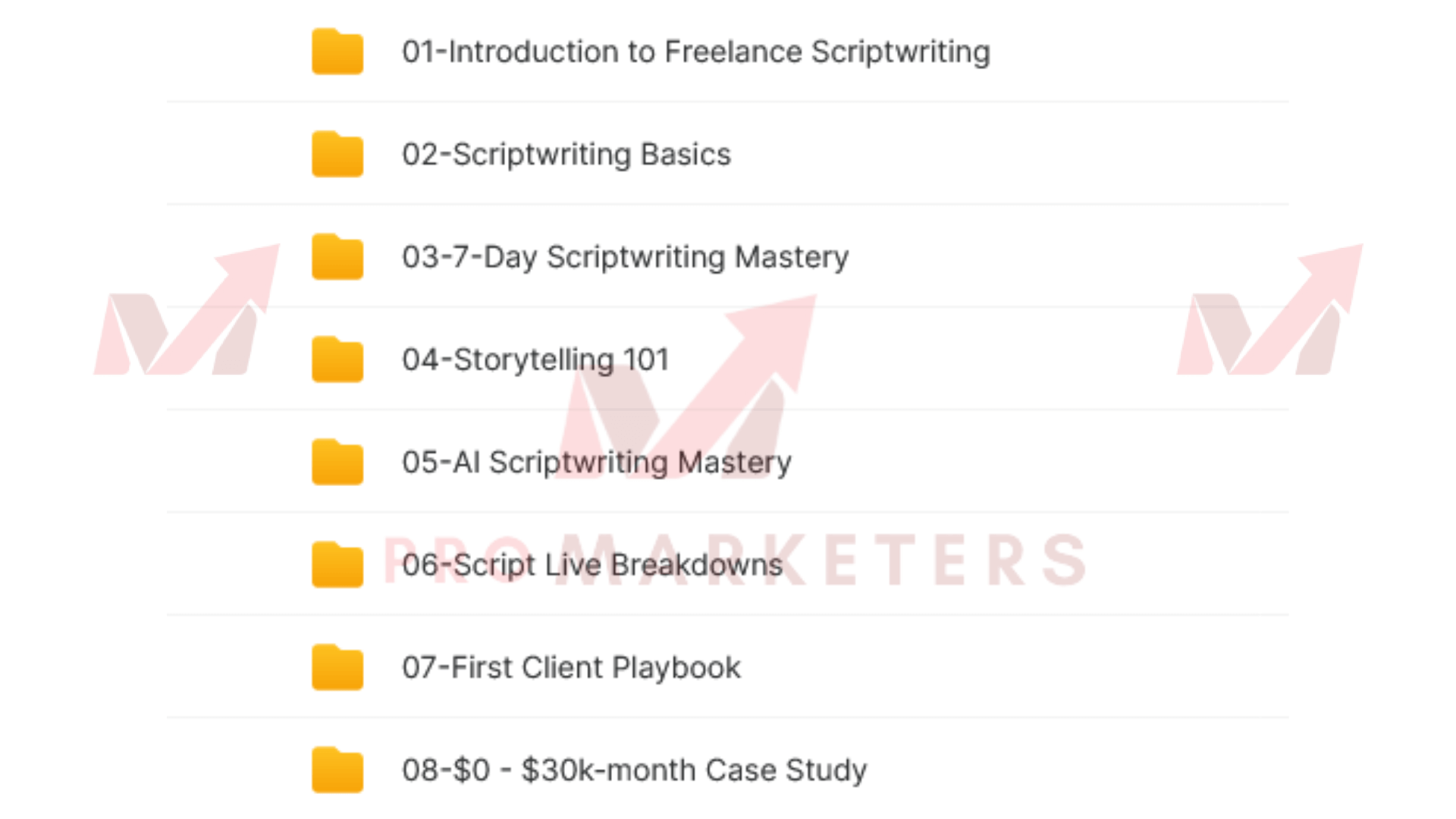
If you’re aiming to break into freelance scriptwriting, Bryan Ng’s playbook could be the practical roadmap you’ve been missing. It doesn’t just outline where to start—it guides you through choosing your focus, building real credibility, and making those first essential connections. The real value comes when you realize how much groundwork you need to lay before your scripts even reach a client’s inbox. But what should your very first step actually be?
Key Takeaways
- Define your scriptwriting niche by researching industry needs and aligning with your strengths and interests.
- Build a high-quality portfolio featuring your best scripts, clear loglines, and professional formatting.
- Network actively through personal connections, online groups, and local industry events to find initial clients.
- Master concise, compelling pitching to effectively present your ideas and adapt to different audiences.
- Always secure written contracts detailing deliverables, rates, rights, and payment terms before starting any project.
Charting Your Scriptwriting Path
As you set out to become a freelance scriptwriter, it is crucial to map out your goals and understand the industry landscape. Start by identifying the types of scripts you want to write—TV, film, web series, corporate videos, or commercials. Research which genres and formats excite you most, and note where your skills naturally align. Study current trends, pay attention to what production companies and agencies are seeking, and learn which platforms are growing.
Next, set clear, achievable milestones. Decide if you want to focus on short-term gigs or long-term collaborations. Outline your income targets and work preferences, such as remote or on-site opportunities. Connect with fellow writers and industry professionals to gain insights and stay updated on opportunities. By defining your path early, you’ll streamline your job search, make better decisions, and avoid distractions. This clarity sets the foundation for a focused, successful scriptwriting career.
Building a Portfolio That Opens Doors
Even with raw talent and ambition, you’ll need a strong portfolio to attract clients and prove your abilities. Your portfolio is your first impression—so make it count. Start by selecting your best scripts, focusing on quality over quantity. Include complete scripts and polished excerpts that showcase your range, voice, and understanding of different formats or genres. If you lack professional credits, create original pieces or adapt public domain works to demonstrate your skills.
Present your work professionally. Use clean formatting, concise loglines, and brief synopses to make your scripts easily accessible. Consider hosting your portfolio online using a simple website or PDF portfolio, allowing potential clients to view your work quickly.
Tailor your portfolio to the kind of projects you want. If you’re aiming for commercials, include strong ad scripts. For drama or comedy, highlight relevant samples. Keep updating your portfolio as you grow, ensuring it always reflects your current strengths.
Networking and Finding Your First Clients
Where do you find your first scriptwriting clients when you’re just starting out? Start by tapping into your immediate network—friends, family, classmates, or former colleagues. Let them know you’re available for scriptwriting work. Sometimes, opportunities arise from unexpected places, like a friend’s small business needing a video script. Don’t overlook online communities either. Join scriptwriting forums, Facebook groups, and LinkedIn groups where producers and filmmakers hang out. Participate actively, offer insights, and build genuine relationships.
Attend local industry events, film screenings, or writing workshops to meet potential collaborators face-to-face. Bring business cards and be ready to share your portfolio. Volunteering for student films or indie projects can help you gain experience and visibility. Reach out to local production companies and offer your services—small gigs often lead to bigger ones. Consistency and visibility in these circles increase your chances of landing that vital first client.
Mastering the Art of the Pitch
Whether you’re pitching to a producer, a potential client, or a contest judge, your ability to communicate your story’s core idea quickly and compellingly sets you apart. Start by boiling your script down to its essence—a one- or two-sentence logline that hooks your listener right away. Focus on what makes your story unique: Is it the twist, the character, or the world? Lead with that.
Be ready to answer questions, but don’t overwhelm with details. Highlight the tone, genre, and main conflict, so they can instantly picture your vision. Practice your pitch aloud until you can deliver it smoothly, even under pressure. Pay attention to your audience’s reaction—adjust your energy and approach on the fly.
Navigating Contracts and Rates
Landing a project after a strong pitch feels rewarding, but now it’s time to protect your work and guarantee fair pay. Start by requesting a written contract, even if the client seems trustworthy. Clearly outline deliverables, deadlines, revision policies, and payment terms. Specify what rights you’re granting—full copyright transfer or limited use—so there’s no confusion later.
Don’t shy away from discussing rates. Research industry standards for scriptwriting, considering your experience and the project’s complexity. Quote confidently, and if necessary, justify your rate based on your expertise and the value you provide. Always agree on payment schedules, such as deposits upfront and final payments upon delivery.
Sharpening Your Creative Process
Even the most talented scriptwriters need to refine their creative routines to stay sharp and original. You can start by creating a dedicated writing schedule that fits your natural rhythms—whether you’re an early riser or a night owl. Set aside uninterrupted time to brainstorm, draft, and revise. Keep a notebook or digital app handy to catch new ideas as they strike, no matter where you are.
Experiment with different writing exercises to break out of ruts. Try rewriting a scene from another genre or practicing concise dialogue. Read scripts outside your comfort zone; this exposes you to diverse structures and voices. Don’t be afraid to solicit constructive feedback from peers, as fresh eyes often spot what you can’t.
Lastly, revisit your own work with a critical lens. Identify recurring strengths and weaknesses so you can continue building on what works and improving what doesn’t. Your creative process should always be evolving.
Sustaining Growth in a Competitive Market
As the freelance scriptwriting landscape grows more crowded, you need to proactively carve out your place and maintain momentum. Don’t rely solely on past successes—consistently update your portfolio with fresh samples that reflect current trends and your evolving skills. Reach out to past clients for feedback or potential collaborations, and never stop networking. Engage with online communities, attend industry events, and connect with producers, directors, and other writers.
Diversify your offerings to attract a broader client base. If you specialize in one genre, consider branching out. Explore related fields, like copywriting or content creation, to make yourself indispensable. Commit to ongoing learning—stay updated on industry shifts, emerging platforms, and new storytelling techniques.
Finally, set clear goals for your growth. Track your progress, analyze what’s working, and adjust your strategies. By remaining adaptable and persistent, you’ll sustain your freelance career, even as competition intensifies.
Conclusion
With the right strategies from this playbook, you’re ready to carve out your place in the scriptwriting world. Focus on the types of scripts you love, build a portfolio that shows your best work, and connect with potential clients. Master your pitch, know your worth in contracts, and keep sharpening your creative process. If you stay proactive and keep learning, you’ll not only break in—you’ll thrive as a freelance scriptwriter. Now, it’s your move.


