Description
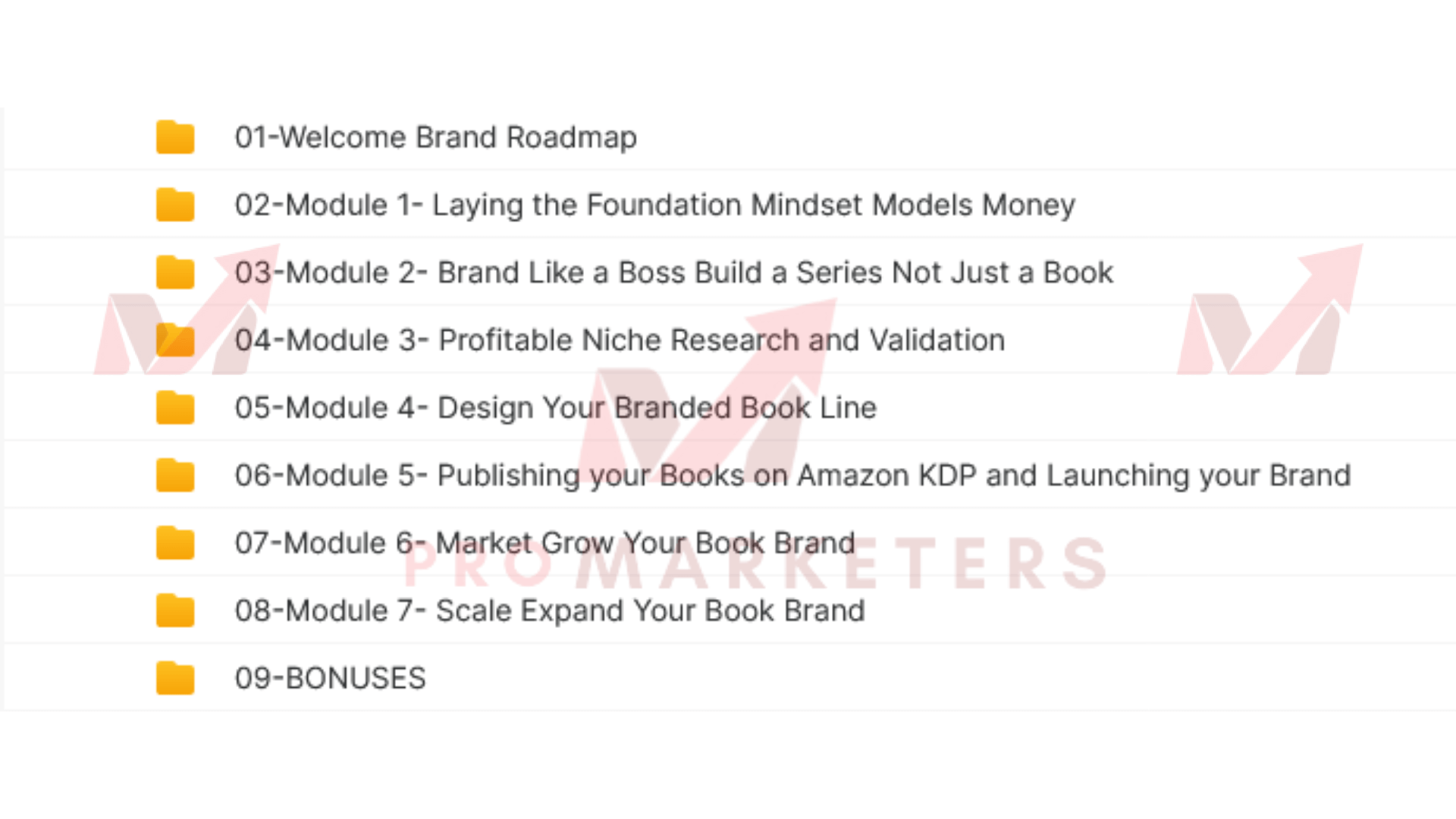
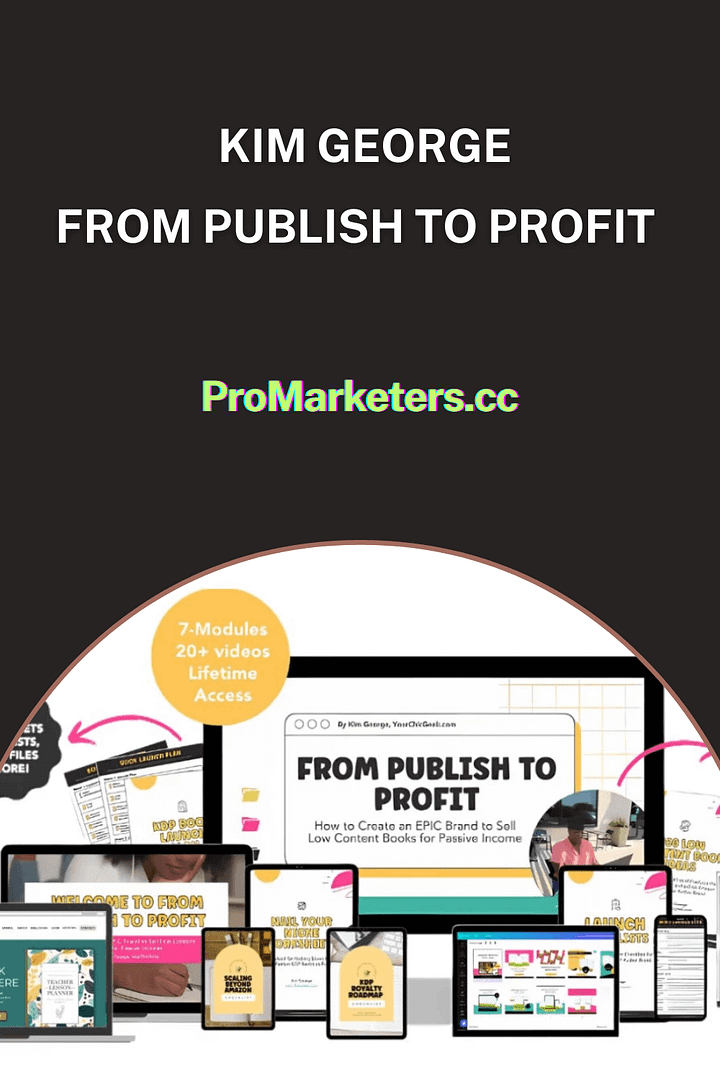
From Publish to Profit provides a practical framework for showing creators how to convert digital products into a reliable income. It’s centered around low-hanging fruit offers such as ebooks, checklists, and mini-courses, and then matches them up with primitive funnels, email nurture, and inexpensive ads. To mitigate risk, it instructs quick validation with small audiences and niche topics, obvious product ladders from free to premium, and data-driven adjustments to increase conversion rates. To build reach, it spans SEO for long-tail keywords and guest features and partnerships that suit small budgets. To maintain healthy margins, it relies on templates, repurposed content, and light automation. The sections below outline key steps, tools, and examples, allowing you to tailor the process to your own niche.
The Publish to Profit Mindset
Publishing is only half the job; actual profit in the publishing business comes from systems, offers, and consistent execution. The Publish to Profit Mindset combines writing with monetization strategies, treating traffic as an asset and relying on data for financial success.
Beyond Publishing
Think bigger than one book and consider building a book brand. Develop a product ladder around the central concept by bundling checklists, printables, and planners that solve a single problem quickly. Produce low or medium content books such as workbooks, journals, and prompt books that match a tight requirement and are inexpensive to try. Go self-published for speed, opt for traditional publishing for reach and credibility, and explore hybrid options for a blend of both. Each path has tradeoffs in control, rights, and timelines.
Leverage your expertise to spin up micro-brands under one umbrella. A productivity brand can sell a daily journal, a deep-dive guide, and a team planner. Meanwhile, a wellness brand can provide recipe cards, a habit tracker, and a 30-day reset workbook. It’s essential to maintain design and tone uniformity so that your assets can effectively cross-sell, enhancing your publishing business.
Build passive income streams with a simple stack: a short course for beginners, a membership with monthly resources, and affiliate tools you trust. Design a funnel that starts from a free chapter to a €29 minicourse and then a €99 bundle, incorporating email sequences and upsells, along with retargeting strategies.
Act like a business by diversifying traffic through search, social media, email, partnerships, and ads. Avoid dependence on one platform’s algorithm. Monitor costs, margins, and lifetime value to ensure that every launch fuels the next, ultimately leading to financial success in your low content book empire.
Value First
Be useful, be clear, and lead with content that answers real questions. Include how-to steps, timelines, and templates. Provide flash victories and evidence.
Maintain faith by delivering on a timetable. The Publish to Profit Mindset. Editing, design, and formatting are not optional. Polish increases price and conversion.
Employ feedback loops. Read reviews, survey your list, and watch analytics to see where people drop or buy. Save your soul by optimizing headlines, offers, and page speed to boost perceived value and actual performance.
-
7-day email mini-course with worksheets
-
Template packs for budgets, study plans, or blog briefs
-
“What to avoid” checklists by niche
-
Case studies with metrics and screenshots
-
Resource libraries with tool comparisons
-
Short video explainers with captions and transcripts
Your Unique Angle
Define a clear niche and promise: who you serve, what change you drive, and why your method works. Narrow trumps broad in saturated markets.
Tell the story that proves it, including constraints faced, timelines, and measured outcomes. Premise 4: Publish the process, not just the product. Clean design, readable type, and the same voice across site, email, and product pages. Publish authority signals: before-and-after results, client quotes, revenue ranges, and process diagrams. Support your assertions with statistics and anecdotes.
How to Monetize Your Blog
Start treating the blog like a real business immediately to reach success. Create several passive income streams, diversify your traffic sources, and keep experimenting with strategies that boost your book sales.
1. Advertising Revenue
To monetize your blog effectively, consider strategies like Google AdSense, Mediavine, or Ezoic, which can enhance your page views. Position ad units in the header, mid-content, and end of the post, ensuring to cap total placements to maintain load speed and user trust. Implementing a sticky sidebar or footer unit on mobile can significantly boost CTRs, contributing to your publishing business success.
Regularly check your RPM, viewability, and layout shift to optimize performance. Minor adjustments, such as removing an above-the-fold banner that obstructs content, can lead to increased session duration and higher ad revenue. If your blog garners between 50,000 and 100,000 sessions monthly, applying to premium networks can provide better payouts and enhance your book brand visibility.
As you grow, introduce direct deals when analytics show strong niche traffic. Selling sponsored ads or newsletter slots for a flat monthly fee can create additional passive income streams. By packaging your blog, email, and social media, you can achieve better margins and maximize your overall profits.
2. Affiliate Marketing
When choosing programs for your blog, select those that align with reader objectives rather than merely focusing on high commissions. For instance, a finance blog could explore budget apps, savings strategies, and brokerages, while a wellness blog might review meal planners and habit trackers. Creating authentic reviews, tutorials, and side-by-side comparisons can enhance your blog brand and boost your credibility as a course creator.
Incorporate link cloaking and UTM tags to track performance metrics like EPC, conversion rates, and refund rates, enabling you to identify the most profitable business ventures. Don’t hesitate to cut the underperformers swiftly to maximize your blog’s potential for passive income streams.
Ultimately, the journey to financial success through blogging requires a blend of creativity and strategy, ensuring that your content resonates with your audience while driving book sales or other digital products.
3. Sponsored Content
Collaborate with brands for posts, reviews, or cross-channel campaigns that fit your niche and audience size. Post engagement stats, demographics, and sample results are included in a brief media kit. Price is based on scope, including article length, deliverables, timeline, and usage rights.
Keep rules simple: topic match, nofollow or rel attributes, clear disclosure, and final draft approval. Publish a public policy page to establish expectations and credibility.
Pitch with a one-page deck and two brand-specific test ideas. Follow up one time.
4. Digital Products
Templates, kits, printables and short courses can be sold. Use simple tools to ship fast: Google Sheets for calculators, Canva for planners, and a lightweight LMS for mini-courses. Launch a low-ticket offer in the beginning to test demand. Then, add bundles to increase average order value.
Put out new stuff every quarter. Add a freebie funnel with a checklist or mini-template to grow email as well. Test prices by market in EUR and USD, but keep one default currency for ease. Think about low-content books on Amazon KDP to tap into new buyers and funnel search traffic back to your site.
5. Direct Services
Sell coaching, audits, or done-for-you packages linked to your most savvy skills. Craft a transparent services page, an easy intake form, and a booking link. Write case-style blog posts that illustrate the process and results, then link to the service.
Create a value ladder: freebie, low-ticket template, workshop, then premium service or membership. Request brief, metric and outcome based testimonials from clients. Utilize Pinterest and email from day one to stock the funnel and continue learning and experimenting to lead.
Building Your Audience
Growth comes from consistent effort, well-defined objectives, and elegant mechanisms. Treat your writing platform as a publishing business; publish frequently and improve your skills as you progress. Use SEO, social media, and email marketing together, then refine your strategies with data. Strive to diversify your channels and offers to reduce risk and create passive income streams.
SEO Strategy
Aim for one primary keyword per post, along with two to three semantically related terms that fit your search intent. Create killer titles, add short headers, alt text and cross-link to related posts to develop topic depth. Put in a short meta description, compress the images and keep the page load under 2 seconds. Publish bingeable evergreen guides, comparison posts and checklists to get people coming back.
On-page work constructs structure. Off-page builds trust. Get links by publishing stats pages, templates, and easy tools that other people reference. Turn articles into short videos and infographics for shareable assets.
Measure results in GA and Search Console. Go track impressions, clicks, CTR and average position. Watch pages with high impressions but low CTR. Fix title tags first.
SEO checklist:
-
Keyword and intent defined; competitors scanned
-
H1/H2s should be justified and aligned. Make URLs short and clear.
-
Internal links added; one to two external sources
-
Images named, compressed; alt text written
-
Meta description under 160 characters
-
Schema added if relevant; 404s fixed
-
Page speed tested; mobile UX verified
Social Media
Pick two places you can blog well. For wide reach, YouTube and Instagram perform well. For search-driven discovery, Pinterest can be powerful. Post clips, carousels and pins that push to a central post or product. Make it clear and human.
Test small, targeted ad sets by interest and lookalike audiences. Begin with one creative per segment, limit daily spend, and then expand victors. Leverage UTMs to identify which posts generate sales.
Interact via comments, polls, and brief live streams. Respond to inquiries quickly to establish credibility. Batch content and schedule with tools to maintain a consistent feed without burnout. Blend educational advice, behind-the-scenes content, and quick wins.
Email List
Grow and segment your list by topic and stage. Offer lead magnets that solve one clear problem: worksheets, swipe files, or a 3-day mini-course. A basic freebie funnel can lead you to a low-ticket offer before proceeding to the big stuff.
Set automated sequences: welcome (value first), nurture (stories and tips), and pitch (one offer, deadline, FAQ). Monitor open rate, click rate, and revenue per send. Scrub inactive subscribers to reduce expenses and maintain deliverability. Email and Pinterest together frequently result in reliable, compounding traffic.
Your Content Strategy
Calibrate your calendar to clear objectives and the actual needs of your audience while incorporating strategies from successful bloggers like Kim George. Mix evergreen topics with trending topics to drive book sales and create passive income streams through your publishing business.
Topic Selection
Begin with keyword research to map demand in your publishing business. Use tools to find high volume, fair difficulty search terms while cross-referencing audience pain points from comments, emails, and support chats. Select subjects where you have actual expertise to trim your niche and shine in congested areas, like low content books that cater to specific needs.
Look for profitable gaps with low competition, strong buyer intent, and clear problems to solve. For example, ‘budget meal prep for athletes’ or ‘print-on-demand guides for local artists’ can lead to successful book sales.
-
Low-content books. A. Daily mood journals. B. Project planners for freelancers. C. Health-metric habit trackers.
-
Medium-content books. 1. Rapid-fire Etsy SEO guides. 2. Case-based study planners for exams. 3. Low-sodium meal plans.
-
Content rich books. 1. Niche marketing playbooks 2. Course workbooks with exercises 3. Data-led industry reports
Prioritize topics that link to your offers, such as templates or courses, which should reinforce your brand position and drive a next action toward financial success.
Content Quality
Craft posts that address a single obvious problem. Describe the result, demonstrate the process, and supplement with examples and statistics whenever possible. Favor evergreen frames, such as checklists, how-tos, and FAQs, because they generate passive income long-term.
Edit in two passes: clarity and structure first, then grammar, links, and SEO (titles, meta, internal links, schema). Maintain reading ease.
Add visuals: flowcharts, swipe files, calculators, and templates. Or simple charts with metric units.
Solicit feedback with a brief survey, open comment questions, or a two-question email. Monitor trends and optimize.
AI Integration
Utilize AI to create outlines, group keywords, and propose titles. Retain your voice by editing with strict rules and samples.
Automate post-to-social, UTM tagging and email queues. Plan weekly, audit monthly and optimize quarterly.
Try AI design tools for printables, covers, and slide decks in courses and journals. A variety of formats can help you reach more readers.
Track AI news, observe policy shifts, and record outcomes. Check dashboards monthly, drop low ROI topics, and scale winners.
Navigating Industry Shifts
Publishing today encompasses books, newsletters, podcasts, and courses, creating a profitable business ecosystem that aligns with the “Publish to Profit” trajectory, emphasizing the importance of building a strong book brand.
Algorithm Updates
Search and social algorithms evolve frequently, so it’s essential to monitor updates on Google Search Central, Search Engine Roundtable, and platform blogs. Authors can significantly boost their book brand by noting shifts, such as index coverage and authority signals. Many successful bloggers notice increased engagement by combining long-form guides with short clips on social feeds, as platforms reward diverse formats.
Change fast to maintain your publishing business momentum. Update metadata, internal links, and E-E-A-T signals, prune thin pages, and insert plain-language content that answers follow-up questions. If your social reach drops, experiment with native posts and A/B test titles and thumbnails weekly. Keeping a simple log of updates and outcomes can transform guesswork into a streamlined process, enhancing your journey toward financial success.
Traffic Fluctuations
Monitor source mix by channel and topic clusters. One that can be usefully generalized is about navigating industry shifts. Drops often coincide with seasons, algorithm shifts, or stale pages.
Anchor with evergreen hubs associated with high-intent keywords, and then crosslink to posts and products. Republish winners every quarter with new data and a more aggressive call to action. Take advantage of analytics to identify posts that have high impressions and low click-through rates, and troubleshoot title clarity, meta tags, and first-screen value. If time on page is low, tighten intros, add scannable subheads, and embed a summary.
-
Quick wins: * Refresh top 10 pages with updated stats and FAQs.
-
Include internal links from popular posts to important offers.
-
Send a 3-email refresher series to former readers.
-
Transform a guide into a 3-part video micro-series.
-
Comply with applicable Google News or Discover policies.
-
Market Saturation
Discover whitespace by charting who you serve, what results they desire and where existing propositions are lacking. For instance, rather than a broad ‘book marketing’ playbook, construct a niche playbook for debut non-fiction in health tech with templates and outreach scripts.
Release new products that fit the same message: a short workshop, a checklist pack, or a cohort course. Self-publishing maintains control and higher royalties. Coupling the book with a paid community and digital tools diversifies risk. A straightforward brand spine—message, promise, tone, proof—keeps you clear across media. Review trend reports each quarter and pivot small. Test pricing tiers, add local currencies like EUR and USD, or trial bundle offers for 30 days.
Blueprint for New Bloggers
A defined strategy accelerates the journey from launch to a profitable business. Start with a simple stack: a fast host, a clean theme, a lightweight SEO plugin, and one analytics tool. Choose a niche you can serve well, then narrow it until your angle pops. Use metric units and one currency for clarity across markets. Keep your workflow lean: research, writing, optimize, publish, promote, and measure.
First Year Focus
Establish a weekly rhythm you can maintain, as this is essential for building your book brand. Two posts a week trounces four followed by radio silence. Leverage keyword research to identify issues that human beings search for, not just subject matter you fancy. Focus first on long-tail queries, such as “meal prep for runners 5 km” or “budget travel gear list under €100.” Build brand basics: a short tagline, a style guide, and a simple logo. Your consistency creates trust and lays the foundation for a successful publishing business.
Offer a little something by month three, just to test demand. Start with a €9 to €19 worksheet pack, ebook, or planner, or even a 30-minute consult. Ensure you have a checkout tool that supports VAT and a clear refund policy. Measure email sign-ups, conversion rates, and refund rates to learn fast and optimize your blogging strategy.
Follow two bases where your readers hang out and one where creators trade notes. Post valuable responses, not just links. Schedule three coffee chats a month with peers to exchange intel on tools, ad strategies, and pricing. This networking can help you refine your approach and boost your reach in the self-publishing realm.
Set monthly goals: posts published, email list growth, and revenue targets. Analyze what ranked, what sold, and where readers stalled. Checkpoint small victories to maintain momentum and drive your journey towards financial success.
Common Pitfalls
-
Posting everywhere all at once divides attention. Select two channels and focus on them.
-
Pound-the-pavement-hard-a-thon work invites burnout. Establish daily hours and no phone blocks.
-
Imitating others muddies your voice. Write CASE-led posts with your own spin.
|
Pitfall |
Why it hurts |
How to avoid |
|---|---|---|
|
Too broad niche |
Dilutes message |
Niche down by audience, problem, or format |
|
Weak SEO |
No search traffic |
Do thorough keyword research and on-page basics |
|
No list building |
Missed sales |
Offer a lead magnet tied to core topic |
|
Single income source |
Risky cash flow |
Mix ads, affiliates, and small digital products |
Sustainable Growth
To build a successful publishing business, create systems you can repeat, such as a 6-step content SOP, a weekly promotion checklist, and a monthly analytics review. Incorporate templates for briefs, outlines, and image specs. Instead of multitasking, batch your writing tasks in 90-minute chunks to maintain high quality and reduce errors.
Expand your revenue streams without unnecessary bloat by matching display ads with curated affiliate links and layering in digital products like low content books, planners, and mini-courses. Testing out sponsored posts with transparent rates per 1000 views can help you achieve small, compounding passive income.
Continue your education by focusing on one skill each quarter, whether it’s SEO refresh, email marketing, or paid ads. Even small ad budgets can effectively test headlines and hooks for your blog.
Build a community by engaging with comments, email replies, and feedback polls. Highlight reader success stories, respond to inquiries in your posts, and thank active members with sneak peeks of your upcoming content.
Conclusion
To finish, the publish to profit road remains open and concrete. Make a bare minimum plan. Track important victories. Remember cash. Minor changes accumulate rapidly. Guest posts can ignite new leads. A brief lead magnet can expand a list by hundreds. A well-defined offer can increase your click rate by 10%. Test a single lever at a time. Rely on data, not hunch.
To keep your edge, track industry news weekly. See leaders like Kim George test offers, shape niches and build real fans. Steady your voice. Make your posts helpful. Keep your list warm.
To get something in motion, select one metric and one move for the next 7 days. Run your plan by a peer. Go ahead and begin.