
Description
MASTER FUNDAMENTAL SKILLS TO PLAN, DESIGN & BUILD MODERN SITES FROM START TO LAUNCH. It covers HTML5, CSS3, responsive layouts, UI patterns and a little bit of JavaScript for interactivity. These encompass accessibility standards (WCAG 2.2), mobile-first grids, color and type systems, and image optimization. Students engage with wireframes, component libraries, and design handoff files. On top of that, the course adds modern tools such as Figma, CSS variables, Flexbox and Grid, and lightweight frameworks. SEO fundamentals, core web vitals, and rapid load times complete site health. Real projects utilize clean code, semantic tags and simple workflows with Git. To stay current, every module references updated 2024 best practices and trends guides and checklists.
Why Web Design Matters Now
Websites form first impressions in seconds, influencing decisions to stick or bounce, which ultimately fuel sales, sign-ups, and confidence. This complete web design course builds essential web development skills for digital-first roles, covering everything from responsive web design to performance and accessibility, ensuring work looks good and functions well on any screen.
Career Transformation
A web design course online provides a clear path to pivot or level up quickly. You begin with layout, color, and type then overlay HTML, CSS, some basic JavaScript, and CMS knowledge. You design for speed, mobile and clear flows, as users expect instant gratification and simple flows.
Certifications + built projects=resume proof A genuine portfolio with case studies, load time cuts and bounce rate drops, and code samples demonstrates how you’re solving problems — not making pages.
Better skills increase salary and deflect risk. Teams required folks who could deliver accessible, responsive sites that felt slick on a 6.1‑inch phone and 27‑inch screen. That blend is difficult to supplant.
Develop your own site in the course. Treat it like a product: write a clear brief, ship a minimal but fast version, test on low‑end Android, track performance, and iterate.
High-Demand Industry
Web design and development are some of the most in-demand digital skills globally.
Hiring is everywhere. Ecommerce needs speedier carts, while SaaS firms need lucid dashboards. Health and education depend on accessible layouts and secure flows for forms and content. Agencies hire for brand sites, campaigns and landing pages.
-
Ecommerce and retail
-
Software/SaaS and startups
-
Healthcare and telemedicine
-
Education and e‑learning
-
Finance and fintech
-
Nonprofits and public sector
-
Media and entertainment
-
Travel and hospitality
-
Digital marketing agencies
A full course indicates you’ve got what it takes to work in responsive design, performance budgets and content systems, which means you’re useful from day one.
Creative Freedom
Design skills lets you create custom sites, from lean product pages to multimedia stories – with parallax minimalism, scroll animations, and intelligent interactions that lead users through the experience without clutter.
Nothing like hands-on lessons to train your eye and your process. You wireframe and prototype and test and refine. You discover when to introduce motion, when to par it back, and how to keep interfaces intuitive.
Work is elastic. Freelance, studio, startups, remote. It’s invisible if it’s not mobile‑ready, bounces if it’s slow.
Check out worldwide galleries, pattern libraries and tutorials to craft a style that is clean, quick and human.
The Modern Web Designer’s Skillset
A superlative skillset for a successful web design business combines design intuition with code literacy, transparent processes, and consistent communication. At the core are essential web development skills like HTML, CSS, and JavaScript, along with UX/UI principles, responsive web design, and SEO integration. Various web applications often require backend and API literacy, which significantly enhances a web developer’s capabilities.
-
Core languages: HTML for structure, CSS for style, JavaScript for behavior.
-
Frameworks: React.js or Vue.js help build reusable UI and handle state.
-
Visual design: layout, color, type, grids, contrast, hierarchy.
-
Responsive design: fluid grids, flexible media, modern CSS functions, real device tests.
-
UX/UI: user flows, patterns, accessibility, feedback loops, usability tests.
-
SEO basics: semantic tags, metadata, performance, sitemap, structured data.
-
Collaboration: version control, issue tracking, design handoff, clear writing.
-
Backend basics: HTTP, REST, JSON, auth, simple CRUD, deployment.
-
Performance: image strategy, bundling, caching, Core Web Vitals.
-
Ethics: privacy, consent, inclusive language, sustainable choices.
I recommend a competency table for those taking an online web design course: Beginner (HTML/CSS, basic JS, simple wireframes, semantic tags), Intermediate (responsive systems, React/Vue basics, accessibility WCAG 2.1 AA, API fetch, Git), Advanced (design systems, complex state, performance budgets, CI/CD, analytics-driven UX, testing).
I believe that backend skills — even if elementary — make any frontend designer wiser. This knowledge enhances handoffs, minimizes blockers, and refines cross-stack problem-solving, ultimately supporting the learning web development journey.
1. Visual Architecture
Design obvious page structure using content-first thinking. Apply grid systems (12‑column, CSS Grid) to establish hierarchy. Select type scales for skim reading. Use color with restrained contrast and spare palettes.
Learn layout patterns like Z and F. I use Webflow for rapid visual builds, Adobe XD for UI flows, and Photoshop for image prep. Create wireframes to capture intent, then interactive prototypes to validate states and flows prior to code.
2. Interactive Logic
Begin with JS events, state and DOM updates. Make it responsive with CSS Grid, Flexbox, clamp(), and container queries.
Pull dynamic content via APIs with fetch(), and display loading, empty, and error states. Learn React or Vue to wrangle components and data. Introduce motion through CSS transitions or GSAP for subtle, deliberate cues.
3. User Empathy
UX is the linchpin. Identify users, tasks and context. Map journeys and edge cases.
Meet accessibility: semantic HTML, labels, alt text, keyboard paths, color contrast, ARIA only when needed. Conduct audits through Axe DevTools. Watch test, eliminate friction, repeat. Use plain, global language.
4. Business Acumen
Know pricing models, scope, and change control. Craft concise contracts and timelines.
Talk frequently, recap decisions, and illustrate compromises. Develop a portfolio, apply rudimentary SEO and post case studies. Manage tasks, feedback and assets with a checklist from kickoff to handoff.
5. Future-Proofing
Continue learning web development skills with standards, community, and brief live bootcamps. Go after certifications or advanced courses like a complete web design course, diving into emerging tools and frameworks.
Beyond Pixels: The Designer’s Mindset
Designers serve users first, not pixels. The craft is to address actual issues with unhurried, deliberate decisions that render the product intuitive, efficient, and resilient. Priorities shift—some pursue visual panache, while others advance raw function or polish micro-interactions. However, the uniting objective remains a seamless digital experience that alleviates friction and cultivates trust at every turn, which is essential for any successful web design business.
A problem-solving attitude begins by selecting the right problem. What’s the user’s “job to be done”? Where do they waste time or make mistakes? Mapping out activities, jotting down pain points, and keeping a tight scope is crucial. Test paths quickly with sketches, flows, and low-fidelity wireframes before diving into detail. If you’re not sure, opt for user-friendly designs. This approach eliminates waste and reveals what to build next, a fundamental lesson in any complete web design course.
Empathy, curiosity, and lifelong learning fuel smarter decisions in web designing. Empathy means studying context: device limits, bandwidth, language, and cognitive load. Curiosity is about questioning why patterns function, not simply replicating them. Lifelong learning is essential for staying on top of standards, tools, and heuristics. Heuristics such as user control and freedom, consistency and standards, and visibility of system status serve as steady mooring poles. For instance, an obvious ‘Undo’ or ‘Back’ state reduces risk, making it a vital aspect of any responsive web design course.
Distribute your work early and distribute your work often. Post flows & prototypes to peers & solicit raw, outcome-based feedback. Conduct brief, intense retreats to argue trade-offs and sketch design principles. These talks help settle recurring choices: what takes priority, how to handle errors, when to add motion. Maybe the real asset isn’t one screen, but the design philosophy behind every screen thereafter.
From those talks, establish a cohesive design system that adheres to and adapts UX and brand guidelines. Then hierarchy, spacing and proportion, to demonstrate how things are connected. Include focus states and hover + touch latency interaction rules as well. Connect every rule to a principle so decisions are consistent with strategy. Design principles help us support alignment across teams and products, keep velocity high, and make reviews less subjective. Over time, the system scales: one source of truth, shared tokens, and measured updates based on data.
Build a personal brand by writing case notes, sharing rationale, and mentoring others. Giving patterns back to the community helps stress-test your ideas across various contexts, ultimately enriching your web development skills and contributing to the wider design ecosystem.
The Complete Web Design Course
Designed for everyone, this complete web design course explores the design, development, and business aspects of web work. It’s 100% beginner-friendly, requiring no previous experience, yet still valuable for experienced users. Anticipate 25 hours of video, self-paced study, live site critiques, project-centric lessons, and full course access with certification and a 90-day refund policy.
Updated Curriculum
The syllabus covers responsive web design, UX, usability testing, storyboarding, wireframing, and modern front-end flows. You discover how to create gorgeous sites sans code, in addition to how to plan, scope, and test designs on screens ranging from 320 px all the way to widescreens.
|
Module |
What’s Inside |
Tools/Systems |
|---|---|---|
|
Foundations |
Visual hierarchy, grids, type, color, accessibility |
Figma, contrast checkers |
|
UX & Research |
Personas, flows, wireframes, usability tests |
FigJam, Hotjar |
|
No-Code Build |
Webflow build, CMS, animations, SEO basics |
Webflow, Webflow CMS |
|
Front-End Basics |
HTML/CSS essentials, responsive patterns |
VS Code, GitHub |
|
Systems & Content |
Design systems, style guides, content models |
Tokens, CMS |
|
Business Skills |
Finding clients, pitching, pricing, contracts |
Proposal templates |
|
Ops & Delivery |
Handoffs, QA, performance, maintenance |
Lighthouse, BrowserStack |
New content introduces CSS container queries, variable fonts, and modern CMS workflows. Updates roll out quarterly to keep up with current best practices and tools.
Practical Projects
Start with simple pages: a single-page profile, a landing page with a form, and a responsive blog layout. Then add interactive bells and whistles like a sticky nav, CMS-driven galleries, and light micro-interactions.
Next, deliver a client-style site: brief intake, sitemap, wireframes, Webflow build, and a basic CMS. Submit milestones for comments. Join peer reviews to contrast patterns and refine selections. Publish projects and connect them in your CV and portfolio.
Essential Tools
-
Figma, Webflow, GitHub, BrowserStack, Netlify, Google Fonts, Lighthouse, Notion.
-
Step-by-step Webflow lessons on layouts, CMS, forms, SEO, launch.
-
Version control fundamentals with Git, cross-browser testing, security fundamentals including HTTPS, CSP, and contingency plans.
-
Ongoing support resources: templates, component libraries, a cheat sheet for design, a crash course on common mistakes, and a 30-day client-finding system.
Expert Mentorship
Collaborate with senior designers and engineers who ship real products in a comprehensive online web design course. Participate in live Q&As, weekly critiques, and book 1-on-1 sessions for blocked assignments. Receive focused coaching and a community platform, enhancing your web development skills and preparing you for your first client.
What to Expect Inside
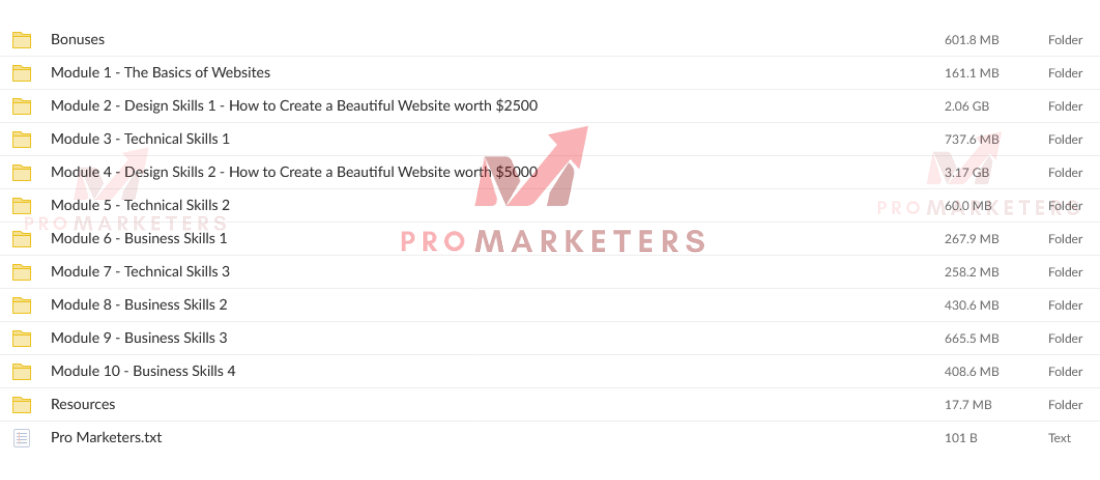
A streamlined route from rough sketch to live site, then to billable hours is what you can expect inside this complete web design course. The course is divided into bite-sized lessons, with quizzes and practical projects, totaling 53+ hours of video. You go from design basics to building beautiful websites, then business and client work, with checklists, templates, and bonus files along the way.
Foundational Art
You start with core design rules: alignment, spacing, contrast, rhythm, and scale, essential for any web design course. Color theory includes hue, saturation, contrast ratios, and accessible palettes that comply with WCAG. Visual hierarchy lessons demonstrate how to utilize type size, weight, and white space to direct attention and optimize scan paths, crucial in responsive web design.
You play with wireframes for a blog, a shop, and a booking app, which are often covered in online web design courses. Then construct mid-fidelity mockups and click-able prototypes that demonstrate flows like add-to-cart or account sign-up. UI fundamentals are grid systems, type pairing, icon sets, and motion cues, all vital for creating stunning websites that convert visitors into users.
See examples contrasting a cluttered hero vs. a clean, single-goal hero, and why the latter lifts conversions. Aesthetics remain tethered to function, so ‘breathtaking’ equates to quick to consume, effortless to navigate, and beautiful on every device, a key goal for any successful web design business.
Business Strategy
You learn how to launch and grow a studio or solo practice with lean steps: define services, set a niche, map a simple offer ladder, and plan delivery. The course connects design to outcomes clients appreciate—leads, sales, bookings—making your work simpler to cost.
Modules on branding your own practice, a simple marketing site, and an inbound content plan. You get a pricing grid, anchor pricing examples and a walk‑through on scope, change orders and payment terms. Maintenance plans, care reports, and uptime checks to keep your long‑term clients!
Client Acquisition
You get a method to land first clients: a tight portfolio with three case studies, a one‑page services sheet, and outreach templates. Inside the course, it provides scripts for warm emails, discovery calls and proposal handoffs, as well as a universal onboarding checklist.
It demonstrates how to leverage creator shout‑outs, LinkedIn posts, and forums to gain visibility. You’ll practice a “give-first” audit: record a 5‑minute teardown, send it with a clear next step. For instance, target cafés, fitness studios, and local clinics.
While the build track touches on HTML, CSS, and JavaScript fundamentals, the majority of projects launch with WordPress. You choose hosting, set up WordPress, log in, install plugins, configure the site. In-field lessons provide real-world projects and decisions. In the end you’ll be able to create a €2 500 website – without code.
Is This Course For You?
Designed for beginners through fledgling freelancers, professionals to hobbyists, this comprehensive online web design course caters to a broad range of learners who desire solid, immediately applicable web design skills. It finds you where you are and illuminates an obvious path toward launching stunning websites that function effectively.
Define the target audience, including beginners, intermediate web designers, and experienced developers seeking new skills.
Newbies who know nothing about web design can get a complete jump-start with an online web design course. You learn the building blocks first: HTML, CSS, and JavaScript. Utilizing WordPress and Elementor allows you to ship sites quickly without deep coding knowledge. Intermediate designers who can style pages but want stronger UX, layout systems, and responsive web design will fill their gaps with design fundamentals, grids, accessibility, and testing. Seasoned developers who create apps but need to speed up marketing sites or client sites can leverage the WordPress + Elementor stack for faster delivery while maintaining control over performance and SEO.
List prerequisites, if any, and explain how the course adapts to various skill levels.
No prerequisites really except a computer, a decent internet connection, and time. Some experience dealing with file systems and a text editor is helpful for those enrolled in the complete web design course. It’s self-paced with 25 hours of video and 3 hands-on projects, allowing you to stop and rewind! Beginners take step-by-step builds, while intermediate and advanced learners can bypass intro lessons and head straight to UX, design systems, and pro workflows. Checkpoints, project briefs, and code reviews scale in depth, ensuring you don’t stall in your learning web development journey.
Highlight the benefits for aspiring web designers, career changers, and business owners wanting to build their own websites.
Future designers obtain the fundamental stack, along with essential web development skills such as scoping, pricing services, and drafting clear proposals. Career changers can create a job-ready portfolio with 3 projects that demonstrate UX thinking, clean code, and CMS skills through a comprehensive online web design course. Entrepreneurs discover how to get a site live with WordPress + Elementor, configure caching, forms, and SEO fundamentals, and update content – without a developer. Because it’s design and UX focused, you learn how to write pages that load quickly, read well, and convert.
Encourage enrollment by emphasizing the course’s comprehensive guide, practical skills, and professional outcomes.
If you crave one track that intersects code, CMS, UX, and biz, this online web design course is a match. The self-paced format, combined with the fixed enrollment windows, should help you plan. The time commitment is genuine, and not having much time might drag you down. If you require refreshed material, just review the course’s update history prior to beginning. The outcome is clear: launch sites, serve clients, and price your work with confidence, paving the way for a successful web design business.
Conclusion
Bottom line, web design still pays. Teams need clean sites that load quickly, look polished, and motivate visitors to engage. The course sets down a clear direction. You begin compact, deliver actual work, and monitor progress. Discover layout, type, color, code, UX, access, and handoff. Build habits that stick, like tight briefs and short test loops. Find wins with actual cases, like a lean nav that increases sign ups by 12%, or alt text that increases reach.
For hands-on learners, this one’s for you. For pros who need a sharp refresh, this works too. Choose a module, sample a project, and launch a page this week. Got a question or want a sample lesson? Contact us and begin.


